
Mental Wellness KOL: How to Find Mindfulness & Self-Care Opinion Leaders for Your Brand
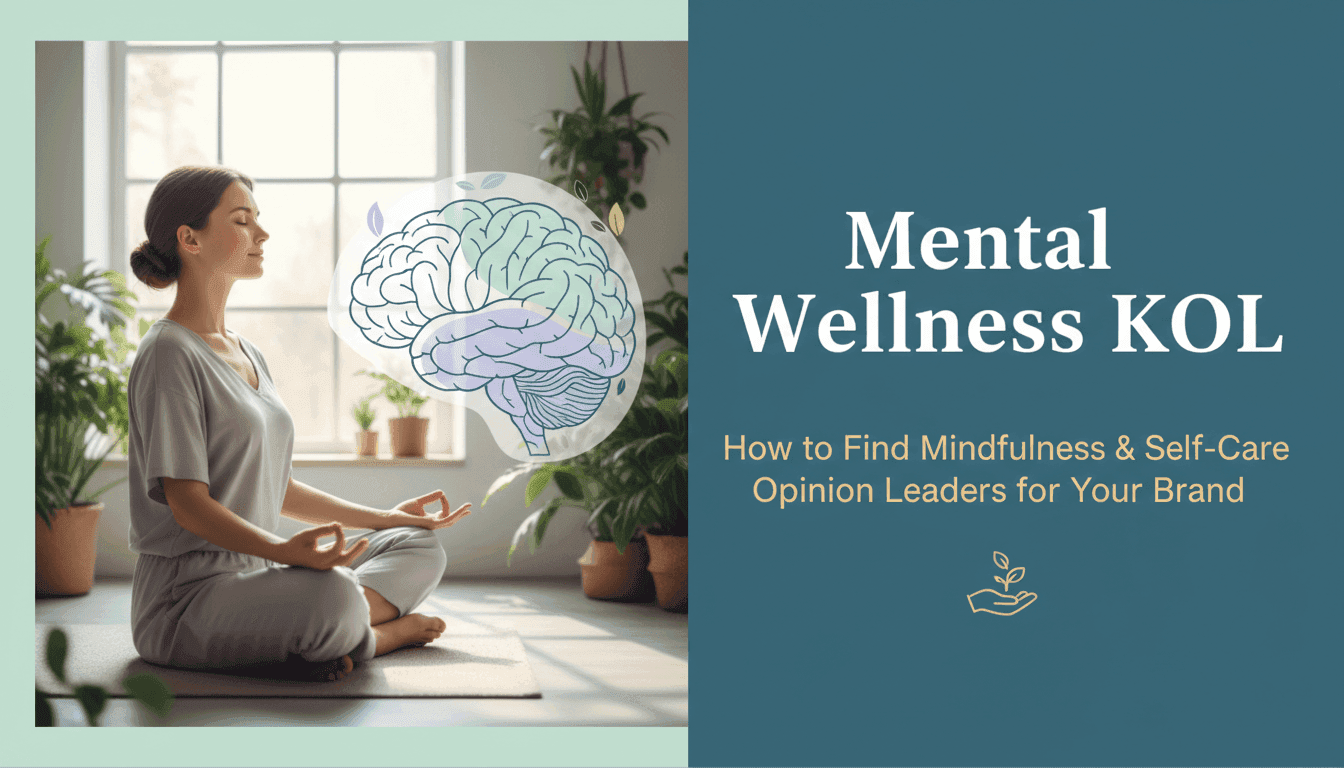
Table Of Contents
- Understanding the Mental Wellness KOL Landscape
- Why Mindfulness and Self-Care Influencers Matter
- Key Platforms for Mental Wellness Opinion Leaders
- Identifying Authentic Mental Wellness KOLs
- Vetting Mental Wellness Influencers: Critical Criteria
- Content Themes That Resonate in Mindfulness Marketing
- Building Authentic Partnerships with Self-Care Advocates
- Measuring Success in Mental Wellness Campaigns
- Common Pitfalls to Avoid
- The Future of Mental Wellness Influencer Marketing
The mental wellness space has experienced explosive growth across social media platforms, with mindfulness and self-care content generating billions of views annually. For brands in the wellness, lifestyle, healthcare, and consumer goods sectors, partnering with the right mental wellness KOL (Key Opinion Leader) can build authentic connections with audiences actively seeking solutions for stress, anxiety, and overall well-being.
However, identifying genuine mental wellness opinion leaders who align with your brand values requires more than scrolling through hashtags or checking follower counts. The mindfulness and self-care niche demands particular sensitivity, authenticity, and expertise. A misstep in this space can damage brand reputation, while the right partnership can position your brand as a trusted ally in your audience's wellness journey.
This comprehensive guide explores how to discover, vet, and collaborate with mental wellness KOLs who specialize in mindfulness and self-care. Whether you're launching a meditation app, promoting wellness products, or simply want to connect with health-conscious consumers, you'll learn the strategies and criteria that separate meaningful influencer partnerships from superficial endorsements. We'll cover platform-specific insights, authentication methods, content strategies, and how modern AI-powered tools are transforming the way brands connect with opinion leaders in this sensitive yet valuable niche.
Understanding the Mental Wellness KOL Landscape
The mental wellness influencer ecosystem has matured significantly over the past few years, evolving from generalized lifestyle content to specialized niches within the broader wellness category. Mental wellness KOLs who focus on mindfulness and self-care represent a distinct subset of health influencers, characterized by their emphasis on psychological well-being, emotional regulation, stress management, and intentional living practices.
These opinion leaders typically fall into several categories. Licensed professionals include therapists, psychologists, and counselors who share evidence-based mental health information while maintaining ethical boundaries. Certified practitioners encompass yoga instructors, meditation teachers, and wellness coaches with formal training in specific modalities. Lived experience advocates are individuals who share their personal mental health journeys, recovery stories, and self-care practices that have worked for them. Finally, lifestyle creators integrate mindfulness and self-care into broader content about daily routines, productivity, and balanced living.
Understanding these distinctions matters because each type of KOL serves different campaign objectives and resonates with different audience segments. A licensed therapist might be ideal for campaigns requiring clinical credibility, while a lifestyle creator might better suit products aimed at wellness-curious consumers just beginning their mindfulness journey. The most effective influencer strategies in this space recognize these nuances and match creator expertise with campaign goals.
The mental wellness niche also operates under unique ethical considerations. Content in this space can significantly impact vulnerable audiences, making authenticity and responsibility paramount. Opinion leaders who've built genuine trust with their communities prioritize their audience's well-being over commercial partnerships, meaning brands must approach collaborations with sensitivity and alignment rather than transactional thinking.
Why Mindfulness and Self-Care Influencers Matter
Mental wellness KOLs command remarkable influence because they address fundamental human needs in an era of increasing stress and digital overwhelm. Their audiences don't just follow them for entertainment; they turn to these creators for guidance, support, and practical tools to improve their daily lives. This creates a unique dynamic where influencer recommendations carry significant weight and trust.
The commercial opportunity is substantial. The global wellness economy exceeds $4.5 trillion, with mental wellness representing one of the fastest-growing segments. Consumers actively seek products, services, and resources that support their mental health, from meditation apps and journals to supplements and wellness retreats. When a trusted mindfulness influencer authentically endorses a product that genuinely helped their practice, their audience pays attention.
Beyond direct sales, mental wellness KOLs help brands build long-term equity in the wellness space. Associations with respected opinion leaders signal that your brand understands and values mental health, which increasingly influences purchasing decisions across demographics. Younger consumers particularly expect brands to take positions on wellness and self-care, making these partnerships strategic beyond individual campaign metrics.
The engagement rates in mental wellness content often exceed platform averages because audiences interact deeply with content that genuinely helps them. Comments sections become support communities, saves and shares indicate people are returning to the content repeatedly, and the relationship between creator and audience develops over time rather than through one-off viral moments. This sustained engagement creates ongoing value for brand partners willing to invest in authentic, long-term collaborations.
Key Platforms for Mental Wellness Opinion Leaders
Mental wellness KOLs distribute their content across multiple platforms, each offering distinct advantages for different types of mindfulness and self-care content. Understanding the platform landscape helps brands identify where their target audiences consume wellness content and which creators have mastered each medium.
Instagram remains the dominant platform for visual wellness content, particularly for self-care routines, mindfulness quotes, and aesthetically curated wellness lifestyles. The platform's carousel posts work well for educational content breaking down complex mental health topics, while Reels enable creators to share quick mindfulness exercises, breathing techniques, and relatable mental health moments. Instagram Stories foster daily connection and behind-the-scenes authenticity that builds trust. Many mental wellness influencers use Instagram as their primary platform for community building and brand partnerships.
TikTok has emerged as a powerful force in mental wellness content, particularly for reaching younger audiences and destigmatizing mental health conversations. The platform's algorithm excels at surfacing helpful content to users who need it, even if they don't follow wellness creators. Short-form videos explaining psychological concepts, demonstrating quick self-care practices, and sharing vulnerable mental health experiences regularly go viral. TikTok's authentic, less-polished aesthetic aligns well with the mental wellness emphasis on genuine human connection over perfection.
YouTube serves as the platform for long-form wellness content including guided meditations, in-depth mental health education, morning routine videos, and wellness vlogs. The platform's search functionality makes it valuable for evergreen content that continues attracting views months or years after publication. Mental wellness creators on YouTube often build highly engaged communities through consistent upload schedules and interactive features like community posts and live streams.
Xiaohongshu (Little Red Book) has become essential for brands targeting Chinese-speaking audiences interested in wellness and self-care. The platform's blend of social media and e-commerce makes it particularly valuable for product-focused campaigns. Mental wellness content on Xiaohongshu often emphasizes practical self-care products, wellness routines, and lifestyle integration of mindfulness practices. For brands expanding into Asian markets, Xiaohongshu marketing offers unique opportunities to connect with wellness-conscious consumers through trusted local opinion leaders.
X (formerly Twitter) and LinkedIn serve as platforms where mental health professionals and wellness thought leaders share evidence-based information, industry insights, and participate in broader conversations about mental health policy and workplace wellness. While less visual than other platforms, these channels build professional credibility and reach decision-makers interested in organizational wellness initiatives.
Identifying Authentic Mental Wellness KOLs
Finding genuine mental wellness opinion leaders who align with your brand requires moving beyond surface-level metrics like follower counts. The mindfulness and self-care space attracts both deeply committed advocates and opportunistic creators capitalizing on trending topics, making authentication critical.
Authentic mental wellness KOLs demonstrate consistency in their messaging over time. Review their content history to see if mindfulness and self-care represent core themes rather than recent additions following trend cycles. Genuine advocates typically share personal practices, ongoing learning, and evolution in their wellness journey rather than presenting themselves as having achieved perfect mental health. Their content balances educational information with vulnerable humanity, acknowledging struggles alongside strategies.
Credentials matter, but differently depending on the creator type. For licensed professionals, verify their qualifications and ensure they maintain appropriate professional boundaries in their content. For certified practitioners, look for legitimate training in their claimed modalities. For lived experience advocates without formal credentials, assess whether they appropriately scope their advice, regularly encourage professional help when needed, and avoid making clinical claims beyond their expertise.
Community interaction provides crucial signals about authenticity. Genuine mental wellness KOLs foster supportive, engaged communities where followers share their own experiences and support each other. The creator actively participates in conversations, responds thoughtfully to questions, and cultivates safe spaces for vulnerable discussions. Toxic comment sections, defensive creator responses to feedback, or communities focused solely on the creator's lifestyle rather than collective wellness suggest less authentic engagement.
Traditional influencer marketing platforms can help surface potential mental wellness KOLs, but the most effective approach combines technology with nuanced evaluation. AI influencer discovery tools that understand context beyond keywords can identify creators whose content genuinely aligns with mindfulness and self-care values rather than those simply using trending hashtags. These systems analyze content themes, audience sentiment, engagement quality, and alignment with brand values across multiple platforms simultaneously.
Vetting Mental Wellness Influencers: Critical Criteria
Once you've identified potential mental wellness KOLs, thorough vetting ensures partnerships will deliver authentic value rather than superficial associations. The mental wellness space demands particular care because inappropriate partnerships can harm both brand reputation and vulnerable audience members.
Content quality and accuracy should be your first assessment criterion. Review multiple pieces of content to evaluate whether the creator provides evidence-based information, cites credible sources when making claims, and avoids promoting potentially harmful practices. Mental wellness content should empower audiences with tools while encouraging professional help when appropriate, never positioning products or practices as miracle cures for serious mental health conditions.
Audience authenticity matters more than audience size in this niche. Analyze engagement patterns to identify genuine interaction versus inflated metrics. Mental wellness content typically generates thoughtful comments, saves for later reference, and shares to help others. Suspicious patterns include generic comments unrelated to content, sudden follower spikes without corresponding engagement increases, or audiences whose demographics don't match the content focus. Advanced analytics can reveal what percentage of followers are real, active accounts versus bots or inactive users.
Brand alignment extends beyond surface-level aesthetics in mental wellness partnerships. Examine the creator's values, causes they support, and other brand partnerships. Have they promoted products or services that conflict with mental wellness principles, like exploitative wellness trends or products making unsupported health claims? Do their partnerships feel authentic and selective, or do they promote anything for compensation? Mental wellness audiences are particularly attuned to authenticity, quickly detecting when influencers compromise values for commercial gain.
Consistency and reliability indicate whether the creator will be a stable partner. Review their posting frequency, content quality over time, and how they've handled past brand partnerships. Creators who regularly disappear from platforms, frequently delete content, or have histories of controversial statements present partnership risks. The most valuable mental wellness KOLs maintain consistent presence and evolving content that grows with their audience.
Professional boundaries are essential for creators in the mental wellness space. Ethical opinion leaders clearly differentiate between personal experience sharing, general education, and clinical advice. They regularly remind audiences they're not providing therapy through social media and encourage professional help for serious concerns. Creators who overstep these boundaries, position themselves as substitute mental health care providers, or cultivate dependent relationships with followers present liability risks and ethical concerns.
Leveraging AI marketing services can streamline this vetting process by analyzing thousands of data points across multiple platforms simultaneously. Modern tools can assess content sentiment, audience quality, engagement authenticity, and brand safety factors far more efficiently than manual review, allowing your team to focus human judgment on the nuanced evaluation that technology can't fully replicate.
Content Themes That Resonate in Mindfulness Marketing
Successful mental wellness campaigns leverage content themes that naturally integrate brand messaging within genuinely helpful mindfulness and self-care content. The most effective partnerships create value for audiences first, with brand integration feeling like a natural extension of that value rather than an interruption.
Morning and evening routines represent consistently popular content in the mental wellness space. These provide natural opportunities to feature products that support mindfulness practices, from meditation cushions and journals to supplements and wellness technology. Audiences actively seek routine inspiration and willingly adopt products that credible creators demonstrate as genuinely helpful in their own practices.
Stress management techniques address universal audience needs and allow for creative brand integration. Content might include breathing exercises, progressive muscle relaxation, mindful movement, or cognitive reframing techniques. Brands offering products or services that support stress reduction can authentically position within this content when the integration enhances rather than interrupts the educational value.
Seasonal self-care acknowledges how wellness needs shift throughout the year. Winter content might focus on managing seasonal affective symptoms, maintaining motivation, and creating cozy self-care spaces. Summer content could address work-life balance during vacation season, staying grounded amid schedule changes, or outdoor mindfulness practices. These seasonal themes create recurring partnership opportunities aligned with annual marketing calendars.
Mental health education content that destigmatizes common struggles and provides accurate information builds trust while offering limited brand integration opportunities. Sponsoring educational content demonstrates brand commitment to mental wellness beyond product promotion. When done thoughtfully, this positions brands as genuine wellness advocates rather than opportunistic sellers.
Self-care practice tutorials showing specific mindfulness techniques, journaling prompts, or self-compassion exercises provide concrete value that audiences can immediately implement. These tutorials often become saved, shared resources that generate ongoing value long after initial publication. Products that genuinely facilitate these practices can be naturally featured without compromising content integrity.
Effective content marketing in the mental wellness space requires patience and authenticity. Quick wins and hard sells typically backfire with audiences who value genuine support for their wellness journeys. The most successful campaigns build sustained value through consistent, helpful content that earns audience trust over time.
Building Authentic Partnerships with Self-Care Advocates
Approaching mental wellness KOLs requires different strategies than typical influencer outreach. These creators receive numerous partnership requests and have become selective about maintaining their credibility and audience trust. Your outreach and partnership structure must demonstrate genuine understanding of their work and alignment with their values.
Initial outreach should reference specific content you've engaged with and explain why you see authentic alignment between the creator's mission and your brand. Generic, template-based pitches immediately signal you haven't invested time understanding their work. Mental wellness creators particularly appreciate when brands understand the nuance of their content and can articulate how a partnership would serve their audience rather than just benefit the brand.
Creative freedom is non-negotiable for most respected mental wellness KOLs. These creators know their audiences intimately and understand how to integrate brand messaging authentically within valuable content. Overly prescriptive briefs that dictate exact language, demand excessive product focus, or require content styles that don't match the creator's authentic voice will either be declined or produce ineffective content. The most successful partnerships provide clear objectives and key messages while trusting creators to develop content that resonates with their specific community.
Fair compensation reflects the value these creators bring and the trust they've built with their audiences. Mental wellness KOLs increasingly reject low-ball offers or product-only compensation, particularly for larger campaigns. Their audiences represent valuable consumers actively investing in wellness products and services, and partnerships should be compensated accordingly. Long-term partnership structures often work better than one-off posts, allowing creators to genuinely integrate products into their practices and share authentic experiences over time.
Transparency and disclosure are both legally required and audience expectations in this space. Mental wellness followers particularly value honesty and will disengage from creators who hide commercial relationships. Partnerships should include clear disclosure that meets FTC guidelines while feeling natural within the content. The most trusted creators proactively explain why they selected specific brand partnerships and how products genuinely support their wellness practices.
Working with an experienced influencer marketing agency can help navigate these relationship nuances, particularly for brands new to the mental wellness space. Agencies with specific wellness expertise understand the ethical considerations, audience expectations, and partnership structures that succeed in this sensitive niche.
Measuring Success in Mental Wellness Campaigns
Evaluating mental wellness influencer campaigns requires metrics that go beyond standard vanity numbers. While reach and engagement matter, the true value of mindfulness and self-care partnerships often manifests in ways traditional metrics don't fully capture.
Engagement quality matters more than quantity in this space. A post with fewer total likes but extensive meaningful comments, high save rates, and thoughtful shares indicates content that genuinely resonated and will continue providing value. Review comment sentiment and specificity to gauge whether audiences found content helpful versus generic positive reactions. Mental wellness content that prompts people to share their own experiences, ask follow-up questions, or tag friends who might benefit demonstrates strong impact.
Audience growth quality following campaigns reveals whether partnerships attracted genuinely interested potential customers versus temporary curiosity. Track not just follower increases but how those new followers engage with your content over subsequent weeks. Are they active participants or ghost followers? Do they fit your target demographic?
Conversion tracking becomes more complex in mental wellness campaigns because purchase decisions often involve longer consideration periods. Implement tracking mechanisms like unique discount codes or landing pages that allow attribution, but recognize that influencer exposure may contribute to conversions that occur days or weeks later through other channels. Multi-touch attribution models provide clearer pictures of influencer impact within longer customer journeys.
Brand sentiment analysis measures how partnerships affect audience perceptions of your brand. Social listening tools can track conversation sentiment, brand associations, and share of voice within mental wellness conversations. Successful campaigns should increase positive brand mentions, strengthen associations with wellness values, and position your brand within relevant conversations.
Long-term relationship indicators like repeat purchase rates, customer lifetime value, and community participation measure whether influencer partnerships attract genuinely engaged customers versus one-time buyers. Mental wellness audiences who find brands through trusted creator recommendations often become loyal customers when products deliver on promises.
Sophisticated AI SEO agents and analytics tools can aggregate data across platforms and campaigns to identify patterns and optimize future partnerships. These systems can reveal which creator types, content themes, and platforms drive the most valuable engagement for your specific brand and products.
Common Pitfalls to Avoid
Even well-intentioned brands make mistakes when entering mental wellness influencer marketing. Understanding common pitfalls helps you avoid damage to both brand reputation and vulnerable audiences.
Prioritizing reach over relevance leads brands to partner with large influencers whose audiences don't genuinely care about mental wellness. A lifestyle influencer with millions of followers but limited wellness credibility will typically underperform compared to a smaller creator with an engaged, wellness-focused community. Audience quality and alignment matter more than size in this niche.
Rushing partnerships without proper vetting can associate your brand with problematic creators. Some influencers promote harmful wellness misinformation, unsustainable perfectionism, or exploitative practices disguised as self-care. Thorough vetting protects both your brand and the audiences you're trying to serve.
Treating mental wellness as a trend rather than a legitimate ongoing commitment alienates both creators and audiences. Brands that jump into mental wellness during Mental Health Awareness Month then disappear the rest of the year appear opportunistic. Sustained engagement demonstrates genuine values alignment.
Making medical or therapeutic claims you can't substantiate creates legal liability and ethical problems. Mental wellness marketing should focus on supporting overall well-being and complement professional care, never position products as treatments for clinical conditions without appropriate evidence and approvals.
Ignoring creator expertise boundaries by asking influencers to make claims beyond their qualifications damages both creator credibility and your brand reputation. A lifestyle creator sharing what worked for them is very different from making generalized mental health recommendations. Partnership briefs should respect these boundaries.
Demanding inauthentic content that doesn't match the creator's usual style or values produces ineffective campaigns and damages creator relationships. Audiences immediately recognize when content feels forced or overly commercial, resulting in poor engagement and potential backlash.
Partnering with specialists in business AI consulting can help implement systems that flag potential issues early, from problematic creator content to campaign messaging that might be misinterpreted. Preventive measures are far more effective than damage control after problems emerge.
The Future of Mental Wellness Influencer Marketing
The mental wellness influencer landscape continues evolving as both creators and audiences mature in their understanding of authentic advocacy versus commercial content. Several trends are shaping the future of mindfulness and self-care marketing through opinion leaders.
Professionalization of mental wellness content is increasing as more licensed therapists and certified practitioners establish social media presence. These credentialed creators offer brands the opportunity to associate with clinical expertise while reaching audiences through engaging social content. However, professional obligations and ethical standards create different partnership parameters than working with lifestyle creators.
Platform diversification means audiences consume mental wellness content across multiple channels, requiring brands to develop platform-specific strategies rather than one-size-fits-all approaches. The same campaign might involve Instagram carousels, TikTok videos, YouTube meditations, and Xiaohongshu product reviews, each adapted to platform culture and creator strengths.
AI-powered personalization is enabling more sophisticated influencer discovery and campaign optimization. Rather than manually searching hashtags or relying on static databases, brands can now use tools that understand context, analyze content quality, assess audience authenticity, and identify alignment in real time across platforms. AI influencer discovery systems continuously scan Instagram, TikTok, YouTube, X, Xiaohongshu, and other networks to surface creators whose content quality, audience engagement, and brand values align with specific campaign goals.
Long-term partnerships are replacing one-off sponsored posts as both brands and creators recognize the value of sustained collaboration. Audiences respond better to products creators genuinely use over time rather than obvious one-time promotions. These relationships allow for deeper integration, authentic testimonials, and ongoing optimization based on audience response.
Measurability improvements through better attribution technology and analytics help brands demonstrate the business value of mental wellness influencer investments. As tracking becomes more sophisticated, marketing teams can build stronger business cases for sustained wellness influencer strategies rather than treating them as experimental tactics.
Regulatory clarity continues developing as governments and platforms establish clearer guidelines for health-related content and influencer marketing disclosure. Brands and creators must stay current with evolving requirements to maintain compliance while preserving authentic communication styles.
The brands that will succeed in mental wellness influencer marketing are those that approach it as genuine partnership rather than transactional promotion. By respecting the sensitivity of mental health topics, valuing creator expertise, and prioritizing audience benefit alongside business objectives, you can build influencer programs that deliver both commercial results and positive impact on the wellness conversations shaping our culture.
Mental wellness KOLs who specialize in mindfulness and self-care represent valuable partners for brands seeking authentic connections with health-conscious audiences. However, success in this space requires more than identifying popular influencers and offering sponsorships. The sensitive nature of mental health content demands careful vetting, ethical partnership structures, and genuine alignment between brand values and creator missions.
Effective mental wellness influencer strategies recognize the differences between creator types, understand platform-specific opportunities, and prioritize audience value alongside campaign objectives. They measure success through quality engagement and long-term relationship building rather than just immediate conversions. Most importantly, they approach mental wellness as an ongoing commitment rather than a trending marketing tactic.
As the wellness economy continues growing and mental health conversations become increasingly mainstream, brands that establish authentic positions within these discussions will build lasting competitive advantages. The key is approaching this space with respect, investing in proper vetting and partnership development, and leveraging modern tools that help identify genuine alignment at scale. Mental wellness influencer marketing done right benefits everyone: brands build meaningful customer relationships, creators maintain their credibility while earning fair compensation, and audiences discover products and services that genuinely support their wellness journeys.
Ready to Connect with Authentic Mental Wellness KOLs?
Finding mental wellness opinion leaders who truly align with your brand values shouldn't require weeks of manual research and guesswork. StarScout AI transforms influencer discovery by understanding your campaign goals in plain English and scanning Instagram, TikTok, YouTube, X, Xiaohongshu, and other platforms in real time to surface creators whose content quality, audience engagement, and values match your needs.
Discover how AI-powered influencer discovery can help you build authentic partnerships with mindfulness and self-care advocates who will genuinely resonate with your target audience. Get started with StarScout AI today and transform how you connect with mental wellness opinion leaders.