
KOL South Africa: Complete Guide to Johannesburg & Cape Town Opinion Leader Marketing
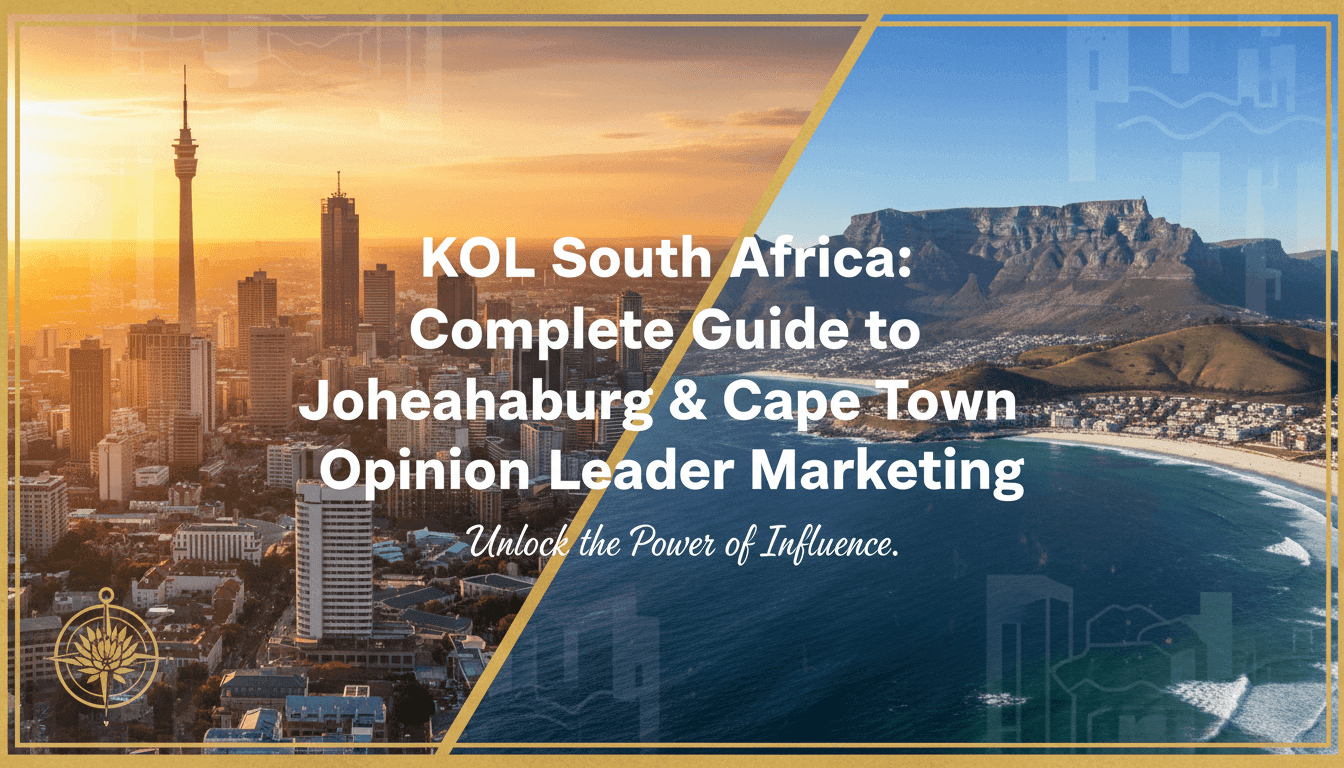
Table Of Contents
- Understanding the South African KOL Landscape
- Why Johannesburg and Cape Town Dominate Opinion Leader Marketing
- Platform Preferences Among South African KOLs
- Finding the Right KOLs in South Africa
- Pricing and Budget Considerations
- Cultural Nuances in South African Influencer Marketing
- Measuring Campaign Success in the South African Market
- Common Challenges and How to Overcome Them
South Africa's influencer marketing landscape is experiencing explosive growth, with brands increasingly recognizing the power of key opinion leaders (KOLs) to drive authentic engagement in Africa's most developed economy. Johannesburg and Cape Town stand as the twin pillars of this digital revolution, hosting the vast majority of the country's most influential content creators across fashion, lifestyle, finance, technology, and entertainment.
Unlike traditional celebrity endorsements, KOL marketing in South Africa thrives on genuine connection and cultural relevance. The most successful campaigns leverage opinion leaders who understand the unique blend of African heritage, Western influence, and local innovation that defines South African consumer culture. From the bustling streets of Sandton to the scenic slopes of Table Mountain, these content creators shape purchasing decisions and brand perceptions for millions of South Africans.
This comprehensive guide explores how brands can effectively navigate KOL marketing in South Africa's two most important cities, covering everything from platform selection and pricing structures to cultural considerations and campaign measurement. Whether you're a local business or an international brand entering the South African market, understanding the nuances of opinion leader marketing in Johannesburg and Cape Town is essential for digital success.
Understanding the South African KOL Landscape
South Africa's KOL ecosystem differs significantly from other emerging markets, shaped by the country's unique position as Africa's second-largest economy with sophisticated digital infrastructure and a complex multicultural society. The influencer market here has matured rapidly over the past five years, evolving from simple product placements to strategic brand partnerships that drive measurable business outcomes.
The typical South African KOL operates across multiple platforms simultaneously, recognizing that audience fragmentation requires a diversified content strategy. Unlike markets where a single platform dominates, South African opinion leaders maintain active presences on Instagram, TikTok, YouTube, and increasingly Twitter (X), with each platform serving distinct purposes in their overall content ecosystem. This multi-platform approach reflects the viewing habits of South African consumers, who toggle between platforms throughout their day.
Micro-influencers (5,000 to 50,000 followers) represent the fastest-growing segment in South Africa, offering brands affordable access to highly engaged niche communities. These KOLs often achieve engagement rates exceeding 5%, significantly higher than their macro-influencer counterparts. Mid-tier influencers (50,000 to 500,000 followers) bridge the gap between niche authenticity and broad reach, making them ideal for brands seeking balanced campaigns. Macro-influencers (500,000+ followers) deliver massive visibility but typically at premium rates and with lower engagement percentages.
The South African market also features a growing number of virtual influencers and AI-generated content creators, though human authenticity remains the dominant preference among local audiences. Brands experimenting with AI influencer discovery platforms are finding that technology-enhanced search capabilities help identify emerging talent before they reach premium pricing tiers.
Why Johannesburg and Cape Town Dominate Opinion Leader Marketing
Johannesburg and Cape Town together account for approximately 75% of South Africa's influencer marketing activity, a concentration driven by economic power, creative infrastructure, and demographic factors that make these cities ideal hubs for content creation.
Johannesburg, often called the economic heartbeat of Africa, hosts the country's financial services sector, major corporate headquarters, and a thriving entrepreneurial ecosystem. The city's neighborhoods, from the affluent streets of Sandton and Rosebank to the artistic energy of Braamfontein and Maboneng, provide diverse backdrops for content creation. Johannesburg-based KOLs often focus on business, finance, technology, and urban lifestyle content, reflecting the city's commercial character. The presence of major shopping centers like Sandton City and Mall of Africa makes Johannesburg the natural home for retail and fashion influencers.
The city's demographic diversity mirrors South Africa's rainbow nation identity, allowing brands to find KOLs who authentically represent specific cultural communities while maintaining broad appeal. Johannesburg's fast-paced, cosmopolitan energy attracts ambitious content creators who view influencing as a legitimate career path rather than a side hustle.
Cape Town dominates lifestyle, travel, outdoor adventure, and wellness content creation. The city's spectacular natural beauty, from Table Mountain to pristine beaches, provides Instagram-worthy backdrops that rival any global destination. Cape Town-based influencers often cultivate aesthetic-focused content that emphasizes visual storytelling, making them particularly valuable for hospitality, tourism, fashion, and beauty brands.
The city's concentration of creative agencies, production companies, and design studios creates a collaborative ecosystem where KOLs have easy access to professional photography, videography, and creative direction services. This infrastructure elevates content quality, making Cape Town influencers competitive on the global stage. The city also hosts numerous cultural events, from the Cape Town International Jazz Festival to Design Indaba, providing content opportunities that Johannesburg cannot match.
Both cities benefit from reliable internet infrastructure, a critical consideration for content creators who depend on consistent connectivity for uploading high-resolution content and maintaining real-time engagement with their audiences. While other South African cities like Durban, Pretoria, and Port Elizabeth have growing influencer communities, they lack the critical mass and infrastructure advantages that make Johannesburg and Cape Town dominant.
Platform Preferences Among South African KOLs
Understanding platform dynamics is essential for effective KOL marketing in South Africa, as audience demographics, content formats, and engagement patterns vary significantly across social networks.
Instagram remains the platform of choice for most South African influencers, particularly those focused on fashion, beauty, lifestyle, and travel. The platform's visual nature aligns perfectly with content that showcases products, experiences, and aspirational lifestyles. South African Instagram users demonstrate strong engagement with Stories, Reels, and carousel posts, making it versatile for different campaign objectives. Johannesburg and Cape Town influencers typically maintain Instagram as their primary platform, using it as the hub of their personal brand.
Engagement rates on Instagram vary by follower count, with micro-influencers achieving 4-8% engagement while macro-influencers typically see 1-3%. The platform's shopping features have gained traction in South Africa, enabling direct conversion from influencer content to purchase, particularly valuable for e-commerce brands.
TikTok has exploded in popularity among younger South Africans, with the platform showing the highest growth rate of any social network in the country. South African TikTok creators excel at humor, dance challenges, educational content, and social commentary, with local trends often blending global viral formats with distinctly South African cultural elements. Brands targeting Gen Z audiences find TikTok indispensable, though the platform requires a different content approach than Instagram's polished aesthetic.
The platform's algorithm offers smaller creators visibility advantages, meaning brands can achieve significant reach through emerging KOLs who haven't yet commanded premium rates. TikTok engagement rates in South Africa often exceed 10% for successful content, far surpassing other platforms.
YouTube serves South African audiences seeking long-form content, tutorials, reviews, and in-depth storytelling. Tech reviewers, beauty gurus, financial advisors, and lifestyle vloggers dominate the platform, building loyal audiences through consistent, value-driven content. YouTube KOLs typically command higher fees than Instagram influencers due to the production effort required, but they also deliver longer-lasting content that continues generating value months after publication.
Brands using influencer marketing platforms can analyze YouTube metrics like watch time, audience retention, and subscriber growth to identify creators who maintain genuine viewer interest rather than simply accumulating views.
Twitter (X) plays a unique role in South African digital culture, serving as the primary platform for news, social commentary, and real-time conversation. South African Twitter is known for its sharp humor, political engagement, and viral moments that shape national conversation. Opinion leaders on this platform typically influence through thought leadership rather than lifestyle content, making them valuable for brands in financial services, technology, telecommunications, and social impact sectors.
The platform's text-first format rewards wit, insight, and timely commentary, with successful KOLs building authority through consistent engagement with trending topics and community conversations.
Using AI influencer discovery technology allows brands to scan multiple platforms simultaneously, identifying creators whose cross-platform presence aligns with campaign objectives rather than limiting searches to a single network.
Finding the Right KOLs in South Africa
The challenge of KOL discovery in South Africa extends beyond simply identifying accounts with large followings. Effective opinion leader marketing requires finding creators whose audience demographics, content quality, engagement patterns, and brand values align precisely with campaign objectives.
Traditional influencer databases quickly become outdated in dynamic markets like South Africa, where new creators emerge constantly and existing influencers shift their content focus, audience composition, and platform preferences. Static lists cannot capture the real-time reality of who is currently creating relevant content and engaging specific audience segments.
Modern AI influencer discovery approaches solve this problem by functioning as always-on social media agents that understand campaign briefs in plain English and translate them into precise search criteria. Rather than manually scrolling through profiles or relying on outdated databases, brands can describe their ideal KOL in natural language: "lifestyle influencers in Cape Town who focus on sustainable fashion and have audiences primarily composed of women aged 25-35 with interest in ethical consumption."
The AI engine then scans Instagram, TikTok, YouTube, X, and other networks in real time, analyzing not just follower counts but content themes, engagement quality, audience demographics, posting consistency, and brand alignment. This approach surfaces creators whose current content and audience match campaign needs, including emerging influencers who haven't yet been cataloged in traditional databases.
When evaluating potential KOL partners in Johannesburg and Cape Town, brands should consider several critical factors:
Audience authenticity remains paramount, as fake followers and engagement fraud affect South African influencer marketing just as they do globally. Analyzing follower growth patterns, comment quality, and engagement consistency helps identify genuine influence. Look for creators whose followers actively engage through meaningful comments rather than generic emoji responses.
Content quality and consistency indicate professionalism and audience trust. Review the KOL's content history to ensure they maintain regular posting schedules and consistent aesthetic or thematic elements that demonstrate commitment to their craft.
Brand alignment extends beyond surface-level compatibility to encompass values, communication style, and audience expectations. An influencer who regularly promotes luxury products may not credibly endorse budget-friendly alternatives, regardless of follower count.
Geographic relevance matters in cities as distinct as Johannesburg and Cape Town. A Johannesburg-based financial services brand benefits more from KOLs embedded in the city's business community than from Cape Town lifestyle influencers, regardless of the latter's larger following.
Brands can also leverage social media agency expertise to navigate the South African market's unique characteristics, cultural sensitivities, and emerging trends that might not be immediately apparent to international marketers or local brands new to influencer partnerships.
Pricing and Budget Considerations
KOL marketing pricing in South Africa varies dramatically based on platform, follower count, engagement rates, content format, usage rights, and the influencer's negotiation sophistication. Understanding typical rate structures helps brands budget effectively while recognizing that flexibility exists for mutually beneficial partnerships.
Micro-influencers (5,000-50,000 followers) in Johannesburg and Cape Town typically charge between R500-R5,000 per Instagram post, with rates influenced by production quality and niche specificity. A fashion micro-influencer with 20,000 highly engaged followers might command R2,500 per post, while a finance-focused creator with similar numbers might charge R3,500 due to the specialized nature of their audience. TikTok rates for micro-influencers often run slightly lower, R400-R3,000 per video, though viral potential can justify premium pricing.
Mid-tier influencers (50,000-500,000 followers) command R5,000-R50,000 per Instagram post, with significant variation based on engagement quality and commercial demand. A Cape Town lifestyle influencer with 150,000 followers and strong engagement might charge R15,000-R25,000 per post, potentially more for Reels or Stories campaigns. YouTube sponsorships in this tier typically range from R10,000-R80,000 depending on video length, production complexity, and integration depth.
Macro-influencers (500,000+ followers) represent premium investments, with rates starting at R50,000 per post and climbing well into six figures for celebrity-tier creators. At this level, brands often work through management agencies that negotiate comprehensive partnership packages rather than single-post transactions.
Beyond base posting fees, brands must consider additional costs:
Content usage rights often require separate negotiation, particularly when brands want to repurpose influencer content in advertising campaigns. Perpetual usage rights can double or triple base rates, while time-limited licenses (3-6 months) typically add 25-50% to base fees.
Exclusivity clauses that prevent KOLs from working with competing brands command premium pricing, typically adding 20-100% to campaign costs depending on category and exclusivity duration.
Production requirements that demand specific locations, styling, or additional creative elements increase costs. A simple product-in-hand Instagram Story costs significantly less than a produced video shoot at a scenic Cape Town location.
Smart brands approach pricing through value-based negotiation rather than pure transactional thinking. Offering product value, long-term partnership potential, or creative freedom can reduce cash requirements while delivering more authentic content. Emerging influencers often accept lower rates in exchange for portfolio-building opportunities or relationships with prestigious brands.
Using influencer marketing agency services provides negotiation expertise and rate benchmarking that helps brands secure fair pricing while maintaining positive creator relationships.
Cultural Nuances in South African Influencer Marketing
Effective KOL marketing in South Africa requires cultural intelligence that extends beyond superficial awareness to genuine understanding of the country's complex social dynamics, historical context, and contemporary sensitivities.
Rainbow nation identity shapes how South Africans respond to marketing messages. The country's multicultural composition, including Black African, Coloured, Indian, and White communities, each with distinct cultural traditions and consumer behaviors, means that one-size-fits-all influencer campaigns rarely achieve optimal results. Brands must thoughtfully consider which cultural perspectives their chosen KOLs represent and whether those perspectives align with target audiences.
Representation matters deeply in South African marketing. Campaigns that showcase diversity authentically while avoiding tokenism resonate strongly, while those that appear tone-deaf to representation issues face swift social media backlash. The country's history makes audiences particularly sensitive to campaigns that perpetuate stereotypes or fail to acknowledge socioeconomic realities.
Language considerations present both challenges and opportunities. While English dominates social media content in Johannesburg and Cape Town, incorporating indigenous languages like isiZulu, isiXhosa, Afrikaans, or Sesotho can dramatically increase resonance with specific communities. KOLs who code-switch naturally between languages often build stronger audience connections than those who exclusively use English.
Economic consciousness influences how South Africans respond to influencer content. In a country with significant income inequality, overtly ostentatious displays of wealth can alienate audiences rather than inspire aspiration. Successful South African influencers balance aspirational content with relatability, acknowledging economic realities while showcasing achievable upgrades rather than inaccessible luxury.
Loadshedding and connectivity challenges have become part of South African digital culture, with savvy influencers incorporating these shared frustrations into content in ways that build community. Brands that acknowledge rather than ignore these realities demonstrate cultural awareness that audiences appreciate.
Social consciousness runs high among South African social media users, particularly younger demographics. KOLs who engage thoughtfully with social justice issues, environmental sustainability, and community development often enjoy deeper audience loyalty than those focused purely on commercial content. Brands partnering with socially conscious influencers benefit from association with these values, provided the partnership appears authentic rather than exploitative.
Timing campaigns around South African cultural moments enhances relevance. Heritage Day, Youth Day, Freedom Day, and other national celebrations provide culturally significant content opportunities. Similarly, awareness of the South African calendar, including school holidays and year-end festive season, helps optimize campaign timing.
Brands can leverage content marketing expertise to develop culturally intelligent campaign narratives that resonate with South African audiences while avoiding common pitfalls that undermine international brands entering the market.
Measuring Campaign Success in the South African Market
Effective measurement separates strategic KOL marketing from expensive experiments, yet many brands struggle to establish meaningful metrics beyond vanity numbers like follower counts and total reach.
Engagement rate remains the fundamental metric for assessing content resonance. Calculate engagement by dividing total interactions (likes, comments, shares, saves) by reach or follower count, depending on available data. South African campaigns typically achieve 2-4% engagement for macro-influencers, 4-8% for mid-tier creators, and 5-10%+ for micro-influencers. Rates significantly below these benchmarks suggest poor audience-content fit or authenticity concerns.
Engagement quality provides deeper insight than raw engagement numbers. Analyze comment sentiment, conversation depth, and whether followers ask questions or simply drop emoji reactions. Meaningful conversations indicate genuine interest and influence, while superficial engagement suggests lower impact.
Audience demographics verification ensures the KOL's followers match your target customer profile. Many influencer marketing platforms provide audience analytics showing follower age ranges, gender distribution, geographic concentration, and interest categories. A campaign targeting Johannesburg professionals fails if the influencer's audience consists primarily of teenagers in rural provinces, regardless of engagement rates.
Traffic and conversion metrics connect influencer activity to business outcomes. Track unique visitors from influencer profiles using UTM parameters, monitor sales from influencer discount codes, and analyze conversion rates from influencer-driven traffic compared to other channels. South African e-commerce brands should expect 1-3% conversion rates from qualified influencer traffic, though rates vary significantly by product category and price point.
Brand lift studies measure changes in brand awareness, consideration, and perception attributable to influencer campaigns. Pre and post-campaign surveys of target audiences quantify whether KOL partnerships shifted brand metrics beyond immediate sales impact.
Share of voice tracking monitors your brand's presence in social conversations relative to competitors. Effective KOL partnerships should increase your brand's mention frequency and sentiment within relevant conversations.
Cost per engagement and cost per conversion metrics enable budget efficiency analysis by dividing campaign costs by resulting engagements or conversions. These calculations help identify which influencer partnerships deliver best value and should receive increased investment in future campaigns.
Content longevity matters particularly for YouTube and Instagram content that continues generating views and engagement long after publication. Evergreen content from KOL partnerships provides ongoing value that justifies higher initial investment.
Brands using AI marketing services can automate much of this measurement, with AI agents monitoring campaign performance in real-time and flagging significant deviations from expected results.
Common Challenges and How to Overcome Them
KOL marketing in South Africa presents unique challenges that can undermine campaign effectiveness when not properly addressed.
Fake followers and engagement fraud plague South African influencer marketing just as they do globally. Some creators artificially inflate metrics through purchased followers or engagement pods. Combat this through thorough vetting using audience analysis tools that identify suspicious follower growth patterns, engagement rate inconsistencies, and bot-like follower characteristics. AI influencer discovery platforms that analyze engagement authenticity in real-time help avoid fraudulent creators.
Payment and contractual disputes arise when expectations aren't clearly documented. South African influencer marketing has matured enough that formal contracts are standard practice, but many micro-influencers still operate informally. Establish clear written agreements covering deliverables, timelines, payment terms, content rights, revision processes, and exclusivity parameters. Specify exactly what content formats you expect (in-feed posts, Stories, Reels), posting schedules, required disclosures, and approval processes.
Content quality inconsistency occurs when influencers rush creation or misunderstand brand guidelines. Provide detailed creative briefs that balance guidance with creative freedom. Share examples of content styles you appreciate while emphasizing that the KOL's authentic voice matters more than rigid adherence to corporate aesthetics. Building longer-term partnerships rather than transactional one-off posts typically yields better content as creators develop deeper brand understanding.
Disclosure compliance issues arise when South African creators fail to clearly identify sponsored content. While South Africa lacks the rigorous disclosure regulations found in markets like the United States, transparency remains essential for audience trust and brand credibility. Require influencers to use clear disclosure language like #ad, #sponsored, or #partnership in prominent positions within captions.
Currency fluctuations affect international brands working with South African KOLs. The Rand's volatility means campaign budgets in foreign currencies can fluctuate significantly between planning and execution. Address this through fixed Rand-denominated contracts or currency hedging arrangements for larger campaigns.
Geographic concentration challenges brands seeking nationwide reach. Since Johannesburg and Cape Town dominate KOL marketing, brands targeting audiences in other provinces must work harder to find relevant local creators or accept that their influencer campaigns will carry metropolitan perspectives that may not fully resonate with audiences in Durban, Port Elizabeth, or smaller cities.
Connectivity limitations occasionally impact content posting schedules when loadshedding or infrastructure issues prevent timely publication. Build buffer time into campaign schedules and maintain communication with KOL partners about potential delays beyond their control.
Working with experienced business AI consulting partners helps brands anticipate and navigate these challenges while implementing systematic processes that minimize risk and maximize campaign effectiveness.
South Africa's KOL marketing landscape offers tremendous opportunities for brands willing to invest in understanding the market's unique characteristics, cultural nuances, and operational realities. Johannesburg and Cape Town provide access to world-class creative talent capable of delivering campaigns that resonate locally while meeting international production standards. Success requires moving beyond outdated influencer databases to embrace real-time discovery approaches that identify creators whose current content and audience align precisely with campaign objectives.
KOL marketing in South Africa has evolved from experimental tactics to essential strategy for brands seeking authentic connections with the country's digitally engaged consumers. Johannesburg and Cape Town anchor this ecosystem, providing the infrastructure, talent concentration, and cultural dynamism that make them Africa's influencer marketing capitals.
The brands achieving greatest success in this market approach opinion leader partnerships strategically rather than opportunistically. They invest time in understanding platform dynamics, cultural nuances, and the specific audience characteristics that determine campaign effectiveness. They recognize that follower counts matter far less than engagement quality, audience authenticity, and values alignment.
Technology is transforming how brands discover and evaluate South African KOLs, with AI-powered platforms replacing static databases with dynamic, real-time intelligence that surfaces creators whose current content matches campaign needs. This technological evolution democratizes access to influencer marketing, enabling brands of all sizes to identify partnership opportunities that previously required extensive agency relationships or manual research.
As South Africa's digital economy continues expanding and social media penetration deepens across economic segments, KOL marketing will only grow in importance. The brands that master this channel now, building authentic relationships with opinion leaders who genuinely influence their communities, will enjoy sustained competitive advantages in Africa's most important consumer market.
Whether you're launching your first influencer campaign or optimizing an established program, the key lies in combining cultural intelligence with technological capability, authentic storytelling with rigorous measurement, and creative freedom with strategic clarity.
Ready to Transform Your South African Influencer Marketing?
Discover how AI-powered influencer discovery eliminates the limitations of static databases and manual searches. StarScout AI functions as your always-on social media agent, understanding your campaign brief in plain English and scanning Instagram, TikTok, YouTube, X, and other platforms in real time to surface KOLs whose content quality, audience engagement, and brand values perfectly align with your objectives.
Stop relying on outdated influencer lists. Start discovering the right opinion leaders for your Johannesburg and Cape Town campaigns today. Explore StarScout AI and experience the future of influencer marketing.