
Indonesia Food KOL: Culinary Influencers Driving F&B Success
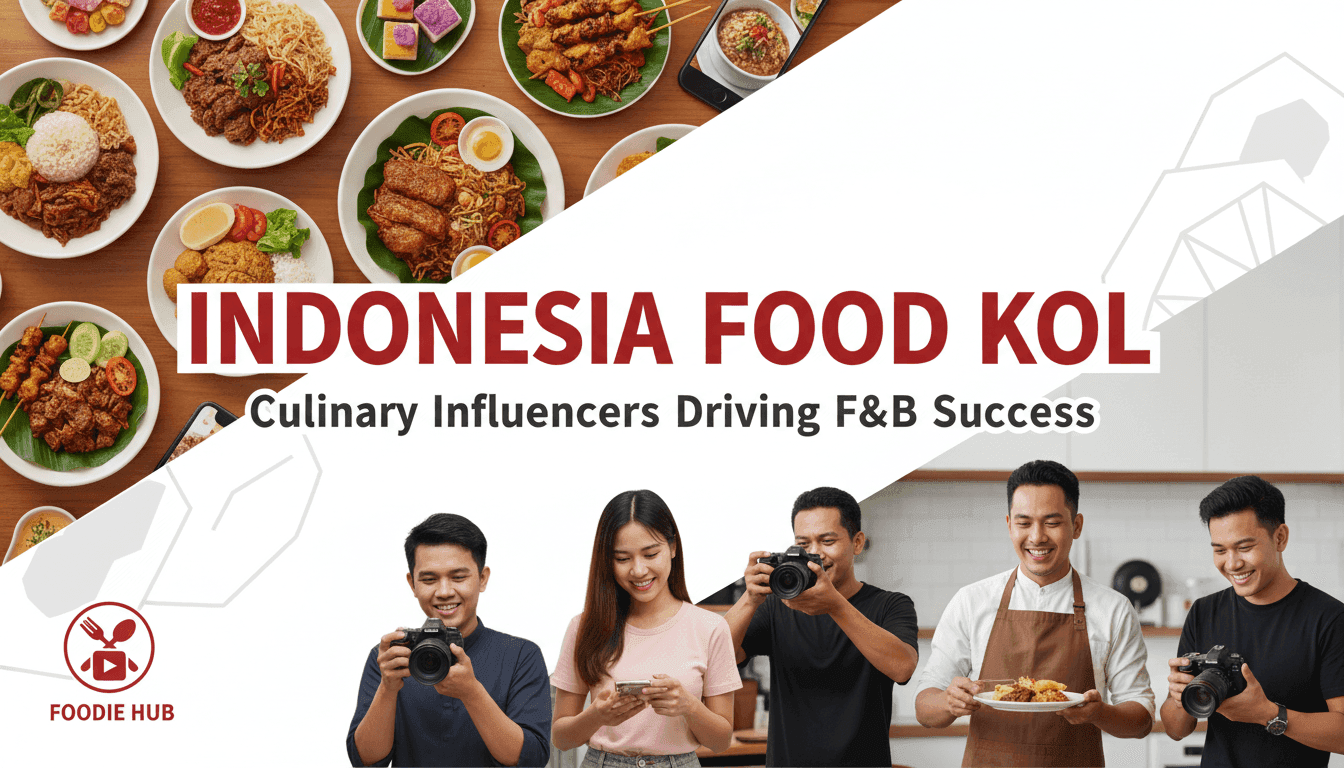
Table Of Contents
- The Rise of Food KOLs in Indonesia's Digital Landscape
- Understanding the Indonesia Food Influencer Ecosystem
- Platform Preferences: Where Indonesia Food KOLs Thrive
- Content Styles That Resonate with Indonesian Food Audiences
- How to Identify the Right Food KOLs for Your F&B Brand
- Successful F&B Campaigns: What Works in Indonesia
- Navigating Challenges in Indonesia Food Influencer Marketing
- The Future of Food KOL Marketing in Indonesia
Indonesia's food and beverage industry is experiencing a digital revolution, and at the heart of this transformation are food Key Opinion Leaders (KOLs) who wield unprecedented influence over consumer dining decisions. From viral street food discoveries to restaurant openings that create instant queues, culinary influencers have become essential partners for F&B brands seeking to capture the attention of Indonesia's 270 million consumers. With over 191 million active social media users and a population that considers food an integral part of cultural identity, Indonesia represents one of the most dynamic markets for food influencer marketing in Southeast Asia.
The Indonesian food KOL landscape differs significantly from Western markets. Local audiences crave authentic content that showcases not just beautifully plated dishes but the entire culinary experience, from sizzling street-side warungs to upscale fusion restaurants. These influencers have mastered the art of storytelling through food, creating content that triggers immediate cravings and drives foot traffic. For F&B brands, partnering with the right culinary influencers can mean the difference between a quiet launch and a viral sensation that sells out inventory within hours.
This comprehensive guide explores the Indonesia food KOL ecosystem, revealing how culinary influencers are driving F&B success across multiple platforms. Whether you're launching a new restaurant, promoting a food delivery service, or introducing a consumer packaged goods brand, understanding the nuances of food influencer marketing in Indonesia is critical to your success.
The Rise of Food KOLs in Indonesia's Digital Landscape
Indonesia's obsession with food content runs deeper than simple appetite appeal. The nation's diverse culinary heritage, spanning from Padang to Papuan cuisines, creates endless content opportunities that food KOLs expertly leverage. According to recent social media analytics, food-related content consistently ranks among the top three most engaged categories across Indonesian social platforms, with users spending an average of 3.5 hours daily consuming social media content.
The COVID-19 pandemic accelerated the influence of food KOLs exponentially. As restaurants closed and delivery services became essential, consumers turned to trusted influencers for recommendations on what to order, which cloud kitchens delivered quality food, and how to recreate restaurant favorites at home. This shift permanently altered the F&B marketing landscape, with influencer partnerships now considered as critical as traditional advertising channels.
What makes Indonesia's food KOL market particularly powerful is the trust factor. Indonesian consumers place significant weight on peer recommendations and influencer endorsements when making dining decisions. A single positive review from a respected food blogger can result in week-long waitlists, while viral TikTok videos have launched unknown street vendors into citywide fame overnight. This trust translates directly into business results, making food KOL partnerships one of the highest ROI marketing investments for F&B brands.
Understanding the Indonesia Food Influencer Ecosystem
The Indonesia food influencer landscape is remarkably diverse, spanning multiple tiers of influence and specializations. Unlike markets where influencers are categorized purely by follower count, Indonesian food KOLs are often distinguished by their content style, platform dominance, and audience demographics. Understanding these distinctions is crucial for F&B brands seeking to maximize campaign effectiveness.
Macro Food Influencers: Brand Ambassadors with Mass Appeal
Macro food influencers in Indonesia typically command follower counts exceeding 500,000 and have established themselves as household names in the culinary content space. These creators produce polished, professional content that often rivals traditional food media publications. Their audiences span multiple demographics, making them ideal for national F&B campaigns, major restaurant openings, and established brand partnerships.
These top-tier influencers often diversify their content across multiple platforms. A successful macro food KOL might maintain a YouTube channel featuring long-form restaurant reviews and cooking tutorials, an Instagram feed showcasing visually stunning food photography, and TikTok for quick viral food discoveries. Their production quality is typically high, often involving professional photography equipment, video editing teams, and carefully crafted narratives.
The investment required for macro influencer partnerships reflects their reach and impact. Campaign rates can range from IDR 10 million to over IDR 100 million per sponsored post, depending on deliverables and exclusivity terms. However, the exposure and credibility these partnerships provide often justify the investment, particularly for brands seeking rapid market penetration or repositioning efforts. With AI Influencer Discovery, brands can efficiently identify which macro influencers align with their specific campaign objectives and budget constraints.
Micro and Nano Influencers: The Hidden Gems of Authenticity
While macro influencers capture headlines, Indonesia's micro (10,000-100,000 followers) and nano (1,000-10,000 followers) food influencers often deliver superior engagement rates and audience authenticity. These creators typically focus on specific niches—whether regional cuisine, budget eating, vegan options, or neighborhood food exploration—building deeply engaged communities that trust their recommendations implicitly.
Micro food influencers excel at creating relatable content that feels like recommendations from a knowledgeable friend rather than polished advertisements. Their audiences actively seek their opinions, comment extensively on posts, and frequently visit recommended establishments. This high engagement translates into measurable business impact, with many restaurants reporting that a single micro-influencer post drives more actual visitors than expensive macro influencer campaigns.
The cost-effectiveness of micro and nano influencer partnerships makes them particularly attractive for independent restaurants, emerging F&B brands, and localized campaigns. Many micro-influencers accept product exchanges, modest fees (IDR 500,000 to IDR 5 million), or hybrid compensation models. Smart F&B marketers increasingly allocate budgets across multiple micro-influencers rather than investing solely in macro partnerships, creating broader reach with maintained authenticity.
Platform Preferences: Where Indonesia Food KOLs Thrive
Indonesia's food influencer landscape spans multiple social platforms, each offering distinct advantages for different campaign objectives. Understanding where your target audience consumes food content—and which platforms specific influencer types dominate—is essential for strategic campaign planning.
Instagram remains the dominant platform for food influencer marketing in Indonesia, particularly for visually-driven content. The platform's emphasis on high-quality photography makes it ideal for showcasing beautifully plated dishes, restaurant ambiance, and lifestyle-oriented food content. Instagram Stories and Reels have become crucial features, with food KOLs using Stories for authentic, behind-the-scenes content and Reels for viral-potential short videos. Most established food influencers maintain Instagram as their primary platform, using it for both organic content and sponsored partnerships.
TikTok has exploded as the platform for food discovery among younger Indonesian audiences. The app's algorithm-driven content distribution allows even small creators to achieve viral reach, making it a democratic platform where content quality matters more than existing follower counts. Food content on Indonesian TikTok tends toward authentic, unpolished discoveries—street food finds, honest restaurant reactions, and quick cooking hacks. F&B brands targeting Gen Z consumers find TikTok partnerships particularly effective, especially when campaigns embrace the platform's authentic, entertainment-first content style.
YouTube serves as the long-form content hub where food KOLs build deeper connections through detailed restaurant reviews, cooking tutorials, and food challenge videos. Indonesian food YouTubers often achieve remarkably high watch times, with audiences consuming 15-30 minute videos in their entirety. This extended engagement makes YouTube ideal for storytelling-based campaigns, detailed product demonstrations, and building lasting brand associations. The platform also offers superior SEO benefits, with food review videos frequently appearing in Google search results for restaurant names and food queries.
Xiaohongshu (Little Red Book) is gaining significant traction among Indonesia's Chinese-Indonesian community and affluent urban consumers. The platform combines Instagram-style visual content with detailed written reviews, making it particularly valuable for upscale restaurants, specialty food products, and premium F&B experiences. Brands seeking to reach Indonesia's growing middle and upper-middle class should consider Xiaohongshu as part of their influencer strategy, particularly in Jakarta, Surabaya, and other major urban centers.
Content Styles That Resonate with Indonesian Food Audiences
Successful Indonesia food KOLs have mastered specific content formats that consistently drive engagement and influence dining decisions. Understanding these proven content styles helps F&B brands develop more effective influencer briefs and campaign concepts.
Mukbang and eating shows have become enormously popular across Indonesian social platforms. These videos feature influencers enthusiastically consuming large quantities of food while providing commentary, reactions, and recommendations. The format's popularity stems from its entertainment value and the vicarious satisfaction viewers experience watching someone enjoy food. For F&B brands, mukbang partnerships work exceptionally well for delivery services, buffet restaurants, and portion-focused promotions.
Authentic discovery content positions the influencer as a food explorer uncovering hidden gems on behalf of their audience. This style emphasizes genuine reactions, unscripted commentary, and real-time discovery experiences. Indonesian audiences particularly value authenticity, making this content style highly influential for driving trial. Street food vendors, neighborhood warungs, and lesser-known restaurants benefit enormously from discovery-style content that introduces them to wider audiences.
Recipe and cooking tutorial content serves dual purposes: entertaining audiences while providing practical value. Food KOLs who teach followers how to recreate restaurant dishes, use specific ingredients, or master cooking techniques build strong authority and trust. For F&B brands selling consumer products, cooking tutorial partnerships demonstrate product usage while associating brands with influencer expertise. This content style also generates extended engagement, as viewers return to videos multiple times while cooking.
Behind-the-scenes restaurant experiences satisfy audience curiosity about how their favorite dishes are prepared and what happens in restaurant kitchens. Content showing chef interviews, ingredient sourcing, cooking processes, and restaurant operations builds transparency and premium perception. Upscale restaurants, farm-to-table concepts, and brands emphasizing quality ingredients find particular success with behind-the-scenes influencer content.
How to Identify the Right Food KOLs for Your F&B Brand
Selecting appropriate food influencer partners requires looking beyond follower counts to evaluate alignment across multiple dimensions. F&B brands that develop rigorous influencer vetting processes consistently achieve superior campaign results compared to those making decisions based solely on vanity metrics.
Audience demographics and psychographics should match your target customer profile. A high-end restaurant targeting affluent professionals needs influencers whose audiences reflect similar demographics, even if that means smaller follower counts. Examine influencer audience data for age ranges, geographic concentration, income indicators, and engagement patterns. An influencer with 50,000 highly relevant followers will outperform one with 200,000 mismatched followers every time.
Content quality and aesthetic alignment ensures the influencer's style complements your brand positioning. Review several months of an influencer's content to assess photography quality, writing style, video production, and overall aesthetic. A casual street food brand might seek influencers with authentic, unpolished content, while a fine dining establishment requires influencers producing sophisticated, magazine-quality visuals. Brand-influencer aesthetic mismatches create dissonance that audiences immediately recognize.
Engagement authenticity reveals whether an influencer's audience genuinely values their content. Calculate engagement rates by dividing average interactions by follower count, but go deeper by reading actual comments. Authentic engagement features substantive comments, questions, and conversations rather than generic emoji responses or suspiciously enthusiastic praise. Be wary of sudden follower spikes, engagement rate inconsistencies, or comment sections that feel inorganic.
Platform-specific influence matters more than cross-platform follower totals. An influencer might have substantial Instagram followers but minimal YouTube impact, or vice versa. Match platform selection to campaign objectives—if you need viral reach, prioritize TikTok influence; for lasting SEO benefits, emphasize YouTube strength; for visual brand building, focus on Instagram dominance.
AI Influencer Discovery platforms transform this vetting process from manual research requiring dozens of hours into automated analysis completed in minutes. By describing your brand, target audience, and campaign objectives in plain English, AI-powered tools scan multiple platforms simultaneously, evaluating content quality, audience authenticity, and brand alignment to surface ideal influencer partners. This technology particularly benefits F&B brands running multiple location-specific campaigns or testing various influencer tiers.
Successful F&B Campaigns: What Works in Indonesia
The most successful Indonesia food influencer campaigns share common strategic elements that maximize impact and ROI. Understanding these patterns helps F&B marketers design campaigns that resonate with local audiences while achieving business objectives.
Limited-time collaborations and exclusive menu items create urgency that drives immediate action. When influencers promote special dishes available only for limited periods or exclusive items created in collaboration with the influencer themselves, audiences rush to experience these offerings before they disappear. This strategy works exceptionally well in Indonesia's FOMO-driven social culture, where being among the first to try something new carries social currency.
Multi-influencer launch campaigns generate compounding awareness by having multiple creators post about your brand within concentrated timeframes. Rather than spacing influencer posts across months, successful launches feature 5-15 influencers posting within a single week, creating the perception of widespread buzz and trending status. This approach leverages social proof—when audiences see multiple trusted sources recommending the same establishment, credibility and interest multiply exponentially.
User-generated content amplification extends campaign reach beyond paid influencer posts. Smart campaigns incentivize customers to create their own content through branded hashtags, photo contests, or featuring user posts on brand channels. When influencers initiate this user-generated content by using campaign hashtags themselves, their audiences naturally participate, creating organic amplification that continues long after the paid campaign ends.
Storytelling campaigns that connect with cultural values resonate deeply with Indonesian audiences. Campaigns emphasizing family togetherness, regional pride, traditional recipes with modern twists, or supporting local communities generate emotional connections that pure product promotion cannot achieve. Influencers who authentically integrate these cultural narratives into sponsored content create more meaningful brand associations and sustained customer loyalty.
Integrating comprehensive Content Marketing strategies alongside influencer partnerships amplifies campaign effectiveness, creating multiple touchpoints that reinforce messaging across owned, earned, and paid channels.
Navigating Challenges in Indonesia Food Influencer Marketing
Despite its tremendous potential, food influencer marketing in Indonesia presents specific challenges that brands must anticipate and address proactively. Understanding these potential pitfalls enables more realistic campaign planning and better risk management.
Influencer fraud and inflated metrics remain persistent concerns, with some creators purchasing followers, engagement, or using bot networks to inflate their apparent influence. The Indonesian influencer market's rapid growth has attracted bad actors who prioritize appearances over authentic influence. Brands must invest in proper vetting, whether through manual analysis, third-party verification tools, or AI-powered fraud detection that identifies suspicious patterns in follower growth and engagement.
Cultural sensitivity and religious considerations require careful navigation in Indonesia's predominantly Muslim market. Food content must respect halal requirements, avoid insensitive representations of religious practices, and demonstrate cultural awareness. F&B brands and influencers must collaborate closely on content that feels authentic while respecting cultural boundaries. Missteps in this area can trigger significant backlash that damages both influencer and brand reputations.
Measuring actual business impact beyond vanity metrics challenges many F&B marketers. While likes and comments provide surface-level feedback, brands ultimately need to connect influencer campaigns to revenue, foot traffic, or customer acquisition. Implementing trackable elements like unique discount codes, dedicated landing pages, or location-specific promotions helps attribute results to specific influencer partnerships. Many successful F&B brands now use AI Marketing Service solutions that integrate influencer campaign data with sales analytics for comprehensive performance measurement.
Managing influencer relationships and expectations requires clear communication and professional contracts. Misunderstandings about deliverables, usage rights, exclusivity, and compensation create friction that undermines campaign success. Professional F&B marketers develop detailed influencer briefs specifying expectations while allowing creative freedom, establish clear contracts addressing legal considerations, and maintain respectful, responsive communication throughout partnerships.
The Future of Food KOL Marketing in Indonesia
The Indonesia food influencer landscape continues evolving rapidly, with emerging trends shaping how F&B brands will approach influencer marketing in coming years. Forward-thinking marketers are already adapting strategies to capitalize on these developments.
Video-first content will increasingly dominate as platforms prioritize video formats and audiences expect dynamic, entertaining content over static images. Food influencers are investing in better video production capabilities, learning editing techniques, and developing on-camera presence. F&B brands should adjust budgets and creative briefs to emphasize video content, particularly short-form vertical videos optimized for TikTok, Instagram Reels, and YouTube Shorts.
Live commerce and shoppable content are transforming how food products are marketed and sold through influencer channels. Indonesian consumers increasingly purchase food products, meal kits, and restaurant vouchers directly through social platforms during influencer live streams. This trend blurs the line between content and commerce, making influencers direct sales channels rather than just awareness builders. F&B brands should explore live streaming partnerships and shoppable post features that reduce friction between discovery and purchase.
AI-powered influencer discovery and campaign management will become standard practice as manual influencer research cannot scale with market growth. Platforms like StarScout AI are revolutionizing how brands identify perfect-fit influencers by understanding campaign briefs in natural language and scanning multiple platforms in real-time for creators whose content, audience, and values align with brand objectives. This technology particularly benefits F&B brands operating across multiple markets or managing numerous simultaneous campaigns.
Hyper-local influencer strategies will gain importance as F&B brands recognize that neighborhood-specific influencers often drive more actual foot traffic than national celebrities. Using AI Local Business Discovery tools, restaurants can identify influential content creators in specific geographic areas, building location-specific campaigns that target nearby potential customers rather than wasting reach on audiences too distant to visit.
Virtual influencers and AI-generated content are beginning to emerge in Indonesia's food marketing landscape. While still nascent, some F&B brands are experimenting with virtual brand mascots and AI-assisted content creation. As AI Chat Agents and content generation tools become more sophisticated, they may supplement (though likely not replace) human influencer partnerships, particularly for consistent brand character development and scaled content production.
F&B brands seeking comprehensive influencer marketing support should consider partnering with specialized agencies that understand both the technical and cultural nuances of the Indonesian market. Influencer Marketing Agency services provide strategic planning, influencer vetting, campaign management, and performance analysis that maximize ROI while minimizing common pitfalls.
Indonesia's food KOL landscape represents one of the most dynamic and influential marketing channels available to F&B brands. The combination of social media saturation, cultural food obsession, and trust-based consumer behavior creates an environment where the right influencer partnerships can transform unknown establishments into overnight sensations or turn product launches into immediate successes.
Successful food influencer marketing in Indonesia requires moving beyond surface-level metrics to develop strategic partnerships grounded in authentic alignment, cultural sensitivity, and measurable business objectives. Brands that invest in proper influencer vetting, develop creative campaigns respecting local preferences, and leverage technology to scale their efforts consistently outperform those relying on ad-hoc influencer selections or generic campaign approaches.
The future of Indonesia food KOL marketing promises even greater sophistication as AI-powered tools, video-first content, and commerce integration transform how brands discover influencers, structure campaigns, and measure results. F&B marketers who embrace these innovations while maintaining the authenticity and cultural awareness that Indonesian audiences demand will find influencer marketing an increasingly powerful driver of sustainable business growth.
Ready to Transform Your F&B Marketing with the Perfect Influencer Partnerships?
Discover how StarScout AI revolutionizes influencer discovery by understanding your brand brief in plain English and scanning Instagram, TikTok, YouTube, and other platforms in real-time to surface culinary creators whose content quality, audience engagement, and values perfectly align with your F&B goals. Stop wasting time on manual influencer research and start building campaigns that drive real results.