
Hong Kong Food KOL: The Complete Guide to Restaurant & F&B Marketing Influencers
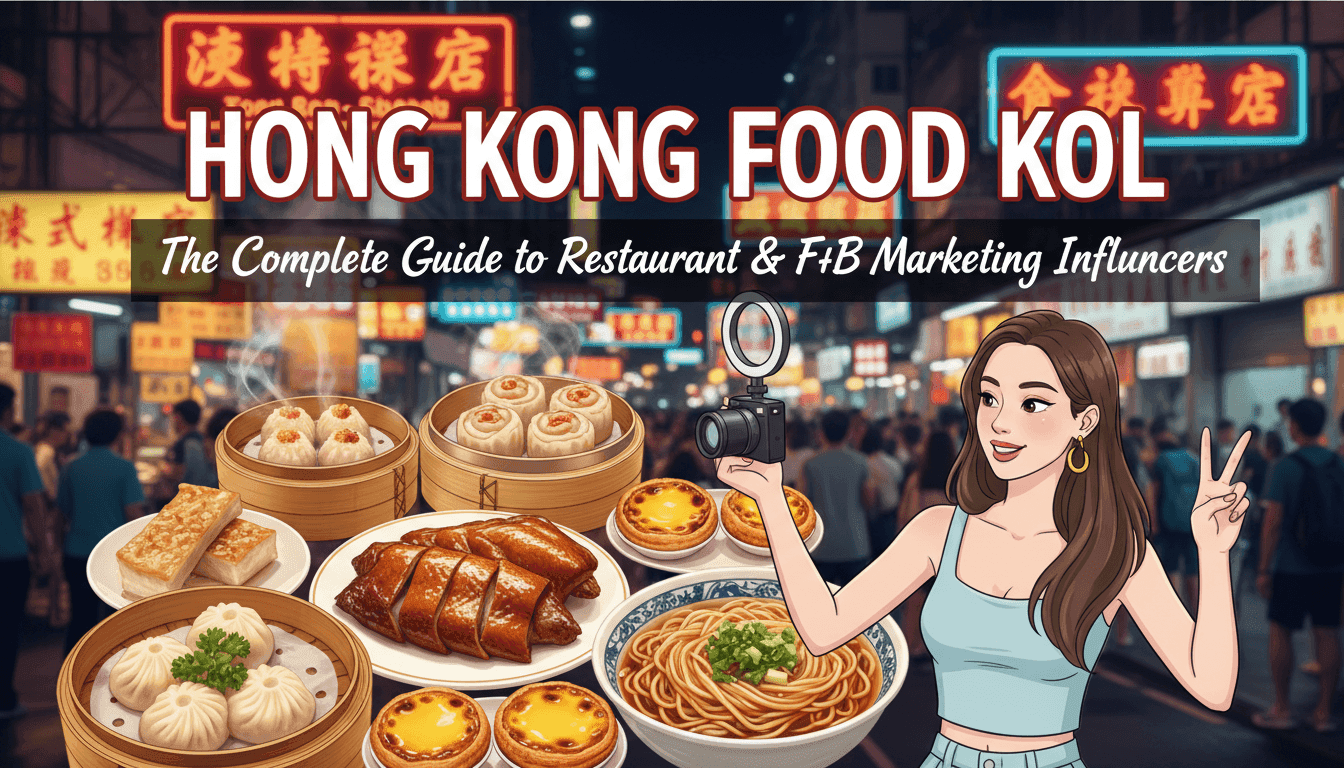
Table Of Contents
- Why Food KOLs Matter for Hong Kong Restaurants
- Types of Hong Kong Food Influencers
- Key Platforms for F&B Influencer Marketing in Hong Kong
- How to Choose the Right Food KOL for Your Restaurant
- Creating Effective Food KOL Campaigns
- Common Mistakes in Restaurant Influencer Marketing
- Measuring Your Food KOL Campaign Success
- The Future of Food Influencer Marketing in Hong Kong
Hong Kong's competitive F&B scene demands more than just excellent food and service. With over 15,000 restaurants packed into one of the world's most densely populated cities, standing out requires strategic marketing that reaches food lovers where they spend their time: scrolling through social media.
Food Key Opinion Leaders (KOLs) have become indispensable partners for restaurants looking to fill tables and build lasting brand recognition. These influencers don't just post pretty pictures. They shape dining decisions for hundreds of thousands of Hong Kong residents who trust their recommendations more than traditional advertising.
But finding the right food KOL for your restaurant isn't as simple as partnering with whoever has the most followers. The Hong Kong market has unique characteristics, from multilingual audiences to platform preferences that differ significantly from Western markets. Success requires understanding the landscape, identifying creators whose audiences align with your concept, and crafting collaborations that feel authentic rather than transactional.
This guide walks you through everything you need to know about working with Hong Kong food influencers, from identifying the right KOL categories to measuring campaign performance across Instagram, TikTok, Xiaohongshu, and YouTube.
Hong Kong Food KOL Marketing
Your Complete Restaurant Influencer Strategy
📊 Why Food KOLs Matter
5 Types of Hong Kong Food Influencers
Food Critics & Reviewers
In-depth analysis with professional photography. Best for exceptional quality and unique dining experiences.
Lifestyle Influencers
Integrate food with fashion and travel. Attract 18-35 audience seeking Instagram-worthy dining experiences.
Value Hunters
Focus on deals and affordable dining. Perfect for lunch specials, promotions, and high-value offerings.
Specialty Food Enthusiasts
Niche-focused creators (Japanese, vegan, desserts). Smaller but highly engaged audiences.
Multilingual Creators
Content in Cantonese, English, and Mandarin. Reach local and mainland Chinese visitor markets.
🎯 Key Platforms for HK F&B Marketing
Visual discovery for 18-45 demographic
Xiaohongshu
Hidden powerhouse for young women & mainland visitors
TikTok
Viral short-form video content
YouTube
Long-form reviews with lasting SEO value
✅ Selection Criteria That Matter
Audience Alignment Over Reach
8K engaged followers beat 200K mismatched audience every time
Authentic Engagement
Look for thoughtful comments, not just emoji reactions. Target 2%+ engagement rate
Content Quality
Professional photography, substantive captions, and storytelling ability
Brand Value Alignment
Review their complete content history for compatibility with your values
Previous Performance
Request case studies from past F&B collaborations to predict results
⚠️ Common Mistakes to Avoid
🚀 Find Your Perfect Food KOL Partner
Stop manual searching. Let AI scan Instagram, TikTok, YouTube, and Xiaohongshu in real time to surface creators whose content quality, engagement, and values align perfectly with your restaurant.
Why Food KOLs Matter for Hong Kong Restaurants
Hong Kong diners are notoriously adventurous, always hunting for the next trending restaurant or hidden gem. Traditional advertising struggles to capture this audience because they've developed sophisticated filters against overt marketing messages. Food KOLs break through this resistance by offering what feels like a recommendation from a trusted friend.
The numbers tell a compelling story. Research shows that 67% of Hong Kong consumers have discovered new restaurants through social media, and influencer content drives 4.5 times more engagement than brand-created posts. When a respected food blogger shares their genuine experience at your establishment, their followers don't just see an advertisement. They see social proof from someone whose taste they trust.
Authenticity drives decisions in Hong Kong's food scene. A single Instagram Story from the right micro-influencer can fill your restaurant for weeks, while a negative review can empty tables just as quickly. Food KOLs also provide content that restaurants can repurpose across their own channels, extending the value of each partnership far beyond the initial post.
For new restaurants, influencer marketing accelerates awareness that might otherwise take months to build through traditional channels. For established venues, strategic KOL partnerships maintain relevance and attract new demographic segments without alienating existing customers.
Types of Hong Kong Food Influencers
Hong Kong's food influencer ecosystem includes several distinct categories, each offering different advantages for restaurant marketers. Understanding these segments helps you identify partners whose audiences and content styles align with your marketing objectives.
Food Critics and Reviewers provide in-depth analysis of dining experiences, often with professional photography and detailed descriptions of dishes, service, and ambiance. These KOLs typically have audiences who take dining seriously and actively seek recommendations for special occasions or new culinary experiences. Their endorsement carries significant weight but often requires exceptional quality and unique offerings.
Lifestyle Influencers integrate food content within broader lifestyle narratives covering fashion, travel, and entertainment. They tend to attract younger audiences (18-35) who view dining as a social experience and aesthetic opportunity. These creators excel at showcasing your restaurant's ambiance and Instagram-worthy elements alongside the cuisine itself.
Value Hunters focus on affordable dining options, promotions, and getting maximum experience for reasonable prices. This category resonates strongly with students and young professionals who eat out frequently but watch their budgets. If your restaurant offers lunch specials, happy hour deals, or exceptional value, these influencers can drive consistent foot traffic.
Specialty Food Enthusiasts concentrate on specific cuisines, dietary approaches, or culinary niches. You'll find KOLs dedicated exclusively to Japanese cuisine, plant-based dining, desserts, or craft cocktails. These micro-influencers often have smaller but highly engaged audiences with specific interests that align perfectly with specialized restaurants.
Bilingual and Multilingual Creators serve Hong Kong's diverse population by creating content in Cantonese, English, and Mandarin. These influencers help restaurants reach across linguistic communities, particularly valuable for venues targeting both local residents and the substantial mainland Chinese visitor market.
Platforms like StarScout AI enable restaurants to identify which influencer types align best with their concept by analyzing content themes, audience demographics, and engagement patterns across multiple social networks simultaneously.
Key Platforms for F&B Influencer Marketing in Hong Kong
Hong Kong's social media landscape differs significantly from Western markets, requiring platform-specific strategies for maximum impact. Each network attracts distinct user demographics and content consumption patterns that influence how food content performs.
Instagram: Visual Storytelling and Discovery
Instagram remains the dominant platform for food discovery among Hong Kong's 18-45 demographic. The platform's visual nature makes it ideal for showcasing plating, restaurant interiors, and dining experiences. Food KOLs typically use a combination of feed posts for polished content and Stories for behind-the-scenes moments and real-time recommendations.
Successful Instagram collaborations focus on aesthetic appeal combined with authentic storytelling. The platform's algorithm favors engagement, so influencers who spark genuine conversations in comments deliver more value than those with passive audiences. Location tags and hashtags remain powerful discovery tools, making them essential elements in any partnership agreement.
Xiaohongshu (Little Red Book): The Hidden Powerhouse
Xiaohongshu has exploded in Hong Kong, particularly among younger women and mainland Chinese visitors planning Hong Kong trips. The platform blends social networking with e-commerce functionality, and users actively seek restaurant recommendations before making dining decisions.
Xiaohongshu marketing requires different content approaches than Instagram. Posts typically include more detailed written descriptions, practical information like average spending and transportation directions, and honest assessments of both strengths and weaknesses. The platform's users value comprehensive information over pure aesthetic appeal.
Restaurants serving mainland visitors or younger Hong Kong residents should prioritize Xiaohongshu partnerships. Content here has exceptional longevity, with posts continuing to drive discovery months after publication as users search for dining options.
TikTok and Douyin: Short-Form Video Impact
TikTok has transformed food marketing through entertaining, bite-sized content that emphasizes personality and creativity over polished production. Hong Kong food KOLs use the platform for quick reviews, "day in my life" content featuring multiple restaurants, and trending challenges adapted to food themes.
The platform's algorithm can make content go viral regardless of follower count, offering exceptional value from micro-influencers. Restaurants with visually dramatic dishes, unique preparation methods, or entertaining staff should leverage TikTok's viral potential. Consider that Douyin (TikTok's Chinese counterpart) requires separate content strategies for mainland audiences.
YouTube: Long-Form Content and Authority
YouTube serves Hong Kong audiences seeking comprehensive restaurant reviews and food journalism. Food KOLs on this platform typically produce higher production quality content with detailed editing, multiple camera angles, and longer narratives that explore restaurant concepts in depth.
While YouTube collaborations require more planning and often higher investment, the content has exceptional shelf life. Videos rank in both YouTube and Google search results, providing ongoing discovery value. YouTube works particularly well for restaurants with interesting origin stories, unique concepts, or chef-driven experiences that benefit from longer storytelling formats.
How to Choose the Right Food KOL for Your Restaurant
Selecting influencer partners requires looking far beyond follower counts. The most effective food KOL collaborations align audience demographics, content quality, engagement authenticity, and brand values with your restaurant's identity and marketing goals.
Audience alignment matters more than reach. A micro-influencer with 8,000 highly engaged followers in your target demographic delivers better results than a celebrity with 200,000 followers who don't match your customer profile. Analyze who actually follows and engages with potential KOL partners. Do they live in Hong Kong or your specific district? What's their age range? What other restaurants and lifestyle brands do they engage with?
Content quality reveals professionalism. Review an influencer's recent posts for photography skills, writing ability, and production values. Do their captions provide substantive insights or just emoji strings? Does their content tell stories or simply show food? Higher quality content not only performs better on social algorithms but also reflects more positively on your restaurant when shared.
Engagement authenticity separates real influence from purchased followers. Examine comment sections carefully. Do followers leave thoughtful responses or just generic emoji reactions? Does the influencer reply and foster community? Calculate engagement rates (total engagements divided by followers) and compare against platform benchmarks. Instagram engagement rates below 2% often indicate inflated follower counts.
Brand value alignment protects your reputation. Review an influencer's complete content history, not just food posts. Do they promote brands and messages compatible with your restaurant's values? Have they faced controversies that might reflect negatively on partners? In Hong Kong's tight-knit food community, associations matter.
Previous collaboration performance provides predictive data. How have the KOL's past restaurant partnerships performed? Do they consistently drive visible impact, or do sponsored posts get notably less engagement than organic content? Request case studies or metrics from previous F&B collaborations.
Traditional influencer marketing platforms provide databases for manual searching, but AI influencer discovery tools transform this process by understanding your requirements in plain language and scanning multiple platforms in real time to surface creators whose content quality, audience engagement, and brand values precisely match your criteria.
Creating Effective Food KOL Campaigns
Successful influencer campaigns require strategic planning that goes beyond simply inviting KOLs for a free meal. The most effective collaborations create authentic experiences that inspire genuine enthusiasm while meeting specific marketing objectives.
Setting Clear Campaign Objectives
Define what success looks like before approaching influencers. Are you launching a new menu and need immediate awareness? Building long-term brand recognition? Attracting a new demographic segment? Different objectives require different KOL selection criteria and content approaches.
Awareness campaigns prioritize reach and impressions, making them suitable for larger influencers or multiple micro-influencer partnerships that collectively generate substantial visibility. Conversion campaigns focus on driving reservations or visits, requiring more direct calls-to-action and often performing better with micro-influencers whose audiences take recommendations seriously.
Crafting the Experience
The dining experience you provide influencers directly impacts content quality and authenticity. Rather than offering standard menu items, consider creating memorable experiences that naturally inspire compelling content:
- Chef interactions that provide behind-the-scenes insights and story elements
- Signature dish tastings featuring your most photogenic and delicious offerings
- New menu previews that make influencers feel like insiders
- Themed experiences aligned with current trends or seasonal moments
Provide creative freedom while gently guiding the narrative. Share your restaurant's story, highlight what makes you unique, and mention elements you'd love featured, but trust influencers to present these elements in ways that resonate with their audiences. Overly scripted content feels inauthentic and performs poorly.
Content Guidelines and Requirements
Establish clear expectations through written agreements covering:
- Number and type of posts (feed posts, Stories, Reels, etc.)
- Timeline for content publication
- Required elements (location tags, handles, specific hashtags)
- Disclosure requirements for sponsored content
- Usage rights for repurposing content
Balance requirements with flexibility. Mandating specific caption wording or excessive hashtags reduces authenticity. Focus on outcomes ("Please mention our weekend brunch promotion") rather than exact execution.
Timing and Coordination
Strategic timing amplifies campaign impact. Launch influencer content when your restaurant can handle increased traffic and when social media usage peaks. In Hong Kong, food content performs particularly well during:
- Weekday lunch hours (11:30 AM - 1:00 PM) when office workers browse for dining options
- Evening commute times (6:00 PM - 8:00 PM) as people decide on dinner plans
- Weekend mornings (9:00 AM - 11:00 AM) when brunch planning happens
Coordinate multiple influencers to post within a concentrated timeframe, creating momentum that triggers social media algorithms and generates "trending" perception. Alternatively, stagger posts across several weeks for sustained visibility.
Building Long-Term Relationships
One-off collaborations deliver short-term spikes, but ongoing relationships with select KOLs create sustained brand advocacy. Consider establishing ambassador programs with 3-5 influencers who genuinely love your concept and visit regularly.
Long-term partnerships allow influencers to develop authentic relationships with your brand, creating more genuine recommendations that audiences trust. These collaborations also provide flexibility for promoting seasonal menus, special events, and new offerings without constantly negotiating one-off arrangements.
Common Mistakes in Restaurant Influencer Marketing
Even well-intentioned influencer campaigns can fail when restaurants make strategic or execution errors. Understanding common pitfalls helps you avoid wasting resources on ineffective partnerships.
Choosing influencers based solely on follower counts remains the most prevalent mistake. Large followings don't guarantee relevant audiences or authentic engagement. A celebrity influencer with 500,000 followers might generate impressive impressions but drive minimal actual traffic if their audience doesn't match your target demographics or lives outside Hong Kong.
Neglecting to verify engagement authenticity leads to partnerships with influencers who have purchased followers or use engagement pods. These collaborations deliver vanity metrics without business results. Always analyze comment quality, engagement rates, and follower demographics before committing to partnerships.
Providing generic experiences results in generic content that fails to stand out in crowded social feeds. If you offer the same experience to every influencer, your restaurant becomes just another review rather than a memorable story. Customize experiences to each influencer's content style and audience interests.
Over-controlling content creation strips away the authenticity that makes influencer marketing effective. When restaurants demand specific captions, mandatory hashtags, or photo angles, the resulting content feels like advertising rather than genuine recommendations. Trust influencers to know what resonates with their audiences.
Ignoring proper disclosure requirements creates legal and ethical problems. Hong Kong follows international standards requiring clear disclosure of sponsored content. Ensure influencers properly label partnerships to maintain transparency and avoid regulatory issues.
Failing to track campaign performance means you can't determine ROI or optimize future campaigns. Implement tracking mechanisms like unique promo codes, dedicated reservation links, or simple "How did you hear about us?" questions to connect influencer campaigns with actual business results.
Expecting immediate viral success from every post leads to disappointment and premature campaign abandonment. Influencer marketing typically requires consistent effort across multiple partnerships to build momentum. One post rarely transforms a restaurant overnight.
Working with an experienced influencer marketing agency or using sophisticated AI marketing services helps restaurants avoid these pitfalls by bringing strategic expertise and performance tracking to campaigns.
Measuring Your Food KOL Campaign Success
Effective measurement connects influencer activities to actual business outcomes, enabling you to calculate ROI and optimize future campaigns. Comprehensive tracking examines both social media metrics and real-world impact on restaurant performance.
Social Media Performance Metrics
Platform analytics provide immediate feedback on content performance:
- Reach and impressions show how many people saw influencer content
- Engagement rate (likes, comments, shares, saves divided by reach) indicates content resonance
- Profile visits from influencer posts demonstrate interest generation
- Link clicks (when included) show direct response to calls-to-action
- Follower growth during campaign periods suggests increased brand awareness
Compare these metrics across different influencers and content types to identify what performs best. Save rates on Instagram and shares on other platforms indicate particularly valuable content that users want to reference later.
Business Impact Metrics
Social metrics mean little without corresponding business results:
- Reservation increases during and after campaign periods
- Walk-in traffic changes compared to baseline periods
- Promo code redemptions when offering influencer-specific codes
- Revenue changes attributable to campaign timing
- New customer acquisition identified through guest surveys
Implement simple tracking mechanisms like asking new customers how they discovered your restaurant. Train staff to note when guests mention seeing the restaurant on social media or from specific influencers.
Long-Term Brand Building
Some influencer campaign benefits appear gradually:
- Search volume increases for your restaurant name
- Review quantity and quality improvements on Google and OpenRice
- Press coverage triggered by social media buzz
- Partnership opportunities from increased visibility
- Staff recruitment benefits from enhanced brand profile
Track these indicators over quarters rather than weeks to understand cumulative campaign impact.
Attribution Challenges and Solutions
Influencer marketing operates within complex customer journeys where multiple touchpoints influence dining decisions. Someone might discover your restaurant through an influencer, check your Instagram, read Google reviews, and visit weeks later.
Implement multi-touch attribution by:
- Using unique promo codes for different influencers to track direct conversions
- Creating campaign-specific landing pages with reservation links
- Surveying new customers about their discovery journey
- Analyzing website traffic sources during campaign periods
- Monitoring branded search volume changes after influencer posts
AI SEO agents can help track how influencer campaigns impact your restaurant's search visibility and online presence across multiple platforms.
The Future of Food Influencer Marketing in Hong Kong
Hong Kong's influencer marketing landscape continues evolving rapidly, shaped by platform algorithm changes, shifting consumer preferences, and technological innovations that transform how restaurants identify and collaborate with content creators.
AI-powered influencer discovery is replacing manual database searching with intelligent systems that understand marketing briefs in plain language and scan social platforms in real time. Rather than spending hours reviewing potential partners, restaurant marketers can describe their ideal influencer profile and instantly receive matches based on content analysis, audience demographics, and engagement patterns.
Video content dominance will continue accelerating as platforms prioritize Reels, Shorts, and TikTok-style formats. Food KOLs are investing in video production skills, and restaurants must adapt by creating experiences that translate well to short-form video. Dynamic preparation methods, theatrical presentation, and shareable moments become more valuable than static plating alone.
Authenticity over polish represents an ongoing shift away from heavily edited, aspirational content toward relatable, honest reviews. Younger audiences particularly value transparency, including criticisms alongside praise. This trend favors micro-influencers with genuine voices over celebrity endorsements.
Live commerce integration merges influencer content with immediate purchasing opportunities. While less applicable to dine-in restaurants, this trend affects food retail, delivery, and packaged products. Restaurants may explore live-streamed cooking classes, ingredient sales, or reservation drops announced through influencer channels.
Data privacy and platform changes will impact targeting capabilities and tracking. Restaurants must develop first-party data strategies and direct relationships with customers rather than relying solely on platform analytics.
Sustainability and values alignment increasingly influences partnership decisions. Both influencers and their audiences scrutinize brand values, sourcing practices, and environmental impact. Food KOLs are more selective about restaurant partners, and audiences judge influencers based on the brands they promote.
Restaurants that adapt to these trends while maintaining focus on authentic relationships and measurable results will thrive in Hong Kong's competitive F&B landscape. Tools like StarScout AI help restaurants stay ahead by continuously scanning social platforms for emerging creators and content trends while matching opportunities to specific marketing objectives.
Hong Kong's restaurant scene rewards strategic thinking and authentic connections. Food KOLs offer powerful opportunities to cut through advertising noise and reach diners through trusted voices, but success requires more than simply inviting influencers for free meals.
The most effective campaigns start with clear objectives, proceed through careful influencer selection based on audience alignment rather than vanity metrics, and create memorable experiences that inspire genuine enthusiasm. Measurement connects social media activity to actual business outcomes, enabling continuous optimization.
As artificial intelligence transforms influencer discovery and campaign management, restaurants gain unprecedented ability to identify perfect creator matches and execute sophisticated multi-platform strategies previously accessible only to major brands with agency support.
Whether you're launching a new concept or revitalizing an established restaurant, influencer marketing delivers measurable results when executed thoughtfully. The Hong Kong market's social media sophistication, dining enthusiasm, and influencer ecosystem create ideal conditions for restaurants willing to invest in strategic partnerships that prioritize authenticity and mutual value creation.
Find Your Perfect Hong Kong Food KOL Partner
Stop spending hours manually searching influencer databases and scrolling through endless profiles. StarScout AI understands your restaurant's unique needs in plain English and scans Instagram, TikTok, YouTube, Xiaohongshu, and other platforms in real time to surface food KOLs whose content quality, audience engagement, and brand values align perfectly with your goals.
Discover creators whose followers actually dine in Hong Kong, verify authentic engagement before reaching out, and build influencer partnerships that fill tables and build lasting brand recognition. Experience the future of influencer discovery today.