
Diabetes KOL: Finding Endocrinology Opinion Leaders & Patient Advocates That Drive Real Impact
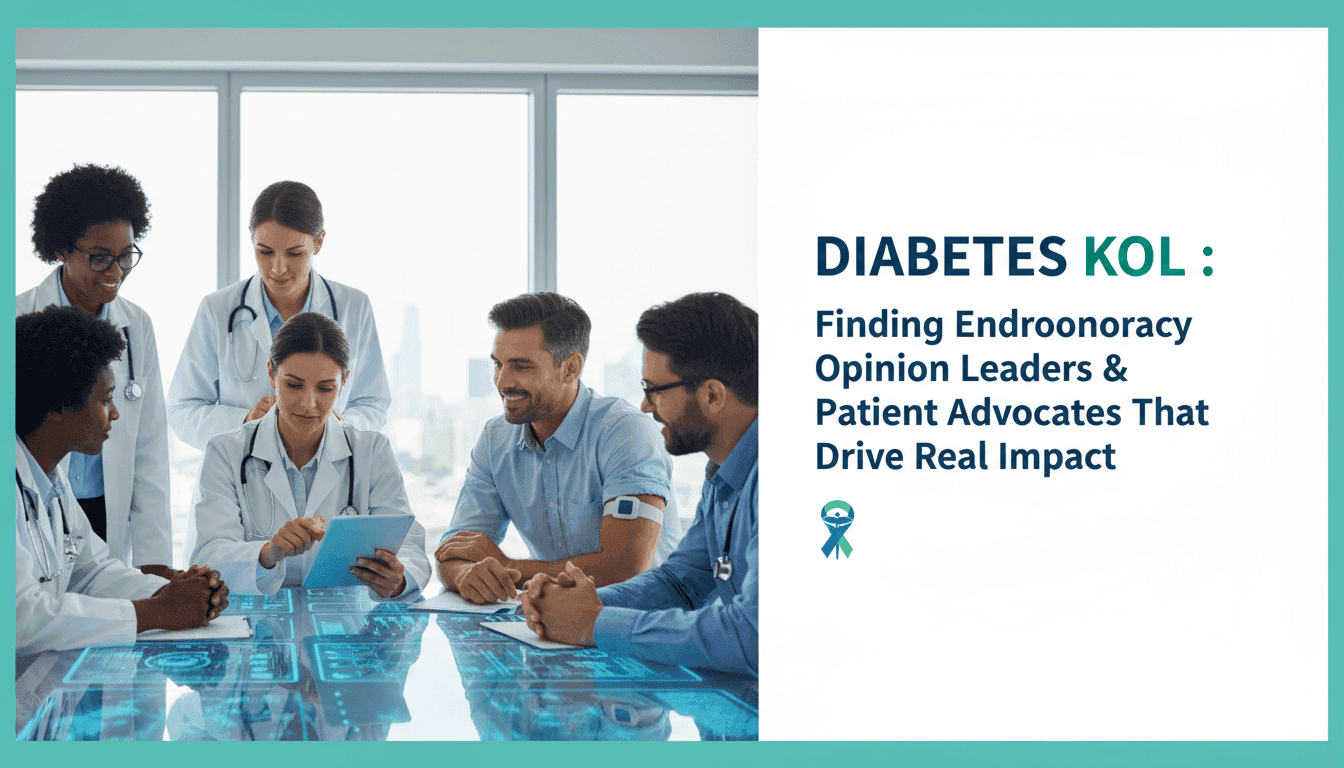
Table Of Contents
- What Are Diabetes KOLs and Why They Matter
- Types of Diabetes Key Opinion Leaders
- The Evolving Landscape of Diabetes Influence
- Key Platforms Where Diabetes KOLs Build Communities
- Finding the Right Diabetes KOL for Your Campaign
- Evaluating Diabetes KOL Authenticity and Engagement
- Compliance and Ethical Considerations in Healthcare Influencer Marketing
- How AI-Powered Discovery Transforms Diabetes KOL Identification
- Building Successful Partnerships with Diabetes Opinion Leaders
The diabetes community has transformed dramatically over the past decade. What was once dominated exclusively by medical conferences and peer-reviewed journals now thrives across Instagram stories, YouTube tutorials, TikTok educational content, and specialized healthcare platforms. Today's diabetes key opinion leaders (KOLs) aren't just endocrinologists publishing research papers. They're patient advocates sharing their continuous glucose monitor data in real-time, certified diabetes educators creating viral content about carb counting, and innovative physicians translating complex metabolic science into actionable lifestyle changes.
For pharmaceutical companies, medical device manufacturers, healthcare organizations, and diabetes-focused brands, identifying the right diabetes KOL can mean the difference between a campaign that genuinely educates and empowers patients versus one that falls flat or worse, damages credibility. The challenge isn't finding diabetes influencers—it's finding the ones whose medical accuracy, authentic engagement, and audience alignment match your specific campaign goals.
This comprehensive guide explores the diabetes KOL landscape, from endocrinology opinion leaders shaping clinical practice to patient advocates building devoted communities. You'll learn how to identify credible voices, evaluate engagement quality, navigate healthcare compliance requirements, and leverage AI-powered tools to discover KOLs whose values and audiences align perfectly with your brand objectives.
Finding the Right Diabetes KOL
Navigate the evolving landscape of diabetes opinion leaders and patient advocates
3 Types of Diabetes Key Opinion Leaders
Medical Endocrinology Experts
Physicians and researchers combining peer-reviewed credibility with accessible patient education across social platforms
Patient Advocates & Influencers
Individuals with lived diabetes experience building authentic communities through relatable daily management content
Certified Diabetes Educators
Healthcare professionals blending clinical training with practical, patient-centered communication and lifestyle guidance
Essential KOL Evaluation Criteria
Medical Accuracy
Evidence-based content with appropriate disclaimers and responsible health claims
Audience Alignment
Follower demographics match diabetes type, age range, and geographic targeting
Engagement Quality
Meaningful conversations and community support beyond generic comments
Brand Values
Consistent partnerships with credible brands and authentic community guidelines
Compliance Standards
Clear disclosure practices and adherence to FDA, FTC, and professional ethics
Content Consistency
Sustained expertise demonstration and recognition of diabetes complexity
Key Platform Strengths
Why AI-Powered Discovery Matters
Traditional databases can't keep pace with the rapidly evolving diabetes KOL landscape. AI discovers emerging voices, evaluates content quality in real-time, and matches KOLs to your specific campaign objectives—not just generic categories.
What Are Diabetes KOLs and Why They Matter
Diabetes Key Opinion Leaders are influential voices within the diabetes community who shape perceptions, behaviors, and decisions related to diabetes management, treatment, and lifestyle. Unlike traditional celebrity endorsements, diabetes KOLs carry credibility built through lived experience, medical expertise, or specialized education in endocrinology and metabolic health.
The diabetes KOL ecosystem serves a critical function in healthcare communication. According to the International Diabetes Federation, approximately 537 million adults worldwide live with diabetes, with that number projected to reach 783 million by 2045. This massive, diverse population seeks trustworthy guidance on everything from insulin pump technology to dietary strategies, creating enormous demand for credible information sources.
Medical credibility forms the foundation of effective diabetes KOL partnerships. Whether through formal medical training, certified diabetes education credentials, or the authentic authority of managing diabetes personally, these opinion leaders bridge the gap between clinical research and real-world application. They translate complex endocrinology concepts into accessible guidance that patients can actually implement.
The business case for diabetes KOL partnerships is equally compelling. Healthcare marketers working with credible diabetes influencers report higher engagement rates, better message retention, and stronger trust indicators compared to traditional advertising channels. When a respected endocrinologist demonstrates a continuous glucose monitoring system or a patient advocate shares their honest experience with a new insulin formulation, audiences pay attention in ways they simply don't with conventional ads.
Types of Diabetes Key Opinion Leaders
Medical Endocrinology Experts
Physician KOLs bring unparalleled medical authority to diabetes conversations. These endocrinologists, diabetologists, and primary care physicians specializing in metabolic health often maintain dual presences—publishing peer-reviewed research while also engaging patients and peers through social media, podcasts, and video content.
Dr. Shara Bialo, for instance, has built a substantial following by explaining complex diabetes research in accessible Instagram posts, while maintaining her clinical practice and academic contributions. Similarly, physicians like Dr. Jake Kushner combine pediatric endocrinology expertise with social media education, helping parents of children with Type 1 diabetes navigate diagnosis and management.
These medical KOLs excel at campaigns requiring scientific credibility, such as new medication launches, treatment guideline updates, or medical device education. Their content often includes mechanism-of-action explanations, clinical trial result interpretations, and evidence-based treatment comparisons. For brands targeting healthcare professionals or patients seeking medically rigorous information, physician KOLs represent the gold standard.
However, physician KOLs typically maintain strict boundaries around promotional content due to professional ethics guidelines and institutional policies. Successful partnerships focus on education, awareness, and evidence-based information rather than direct product promotion.
Diabetes Patient Advocates and Influencers
Patient advocates represent the lived experience of diabetes management. These KOLs—often managing Type 1 diabetes, Type 2 diabetes, or supporting loved ones with diabetes—create deeply personal content about daily challenges, victories, and the emotional landscape of chronic disease management.
Authenticity is the superpower of patient advocate KOLs. When they share a photo of their CGM sensor placement, discuss the frustration of an unexpected high blood sugar, or celebrate an in-range day, their audiences see themselves reflected. This relatability creates engagement levels that clinical experts rarely achieve.
Prominent patient advocates like Hannah Hunsinger (@hannahthetype1fighter) have built communities numbering in the hundreds of thousands by combining diabetes education with lifestyle content, mental health discussions, and advocacy work. Others, like Mila Clarke Buckley, focus on specific niches like pediatric Type 1 diabetes, creating resources for parents navigating childhood diabetes.
These KOLs excel at campaigns focused on lifestyle integration, product usability, patient support, and community building. They're particularly effective for diabetes technology companies, nutrition brands, fitness programs, and mental health resources. Their content demonstrates how products fit into real daily routines, addressing practical concerns that clinical descriptions often miss.
The challenge with patient advocate KOLs involves balancing authenticity with brand messaging. The most successful partnerships give advocates genuine creative freedom to share honest experiences, trusting that authenticity will resonate more powerfully than scripted promotion.
Certified Diabetes Educators and Healthcare Professionals
Certified Diabetes Care and Education Specialists (CDCES), registered dietitians specializing in diabetes, diabetes nurses, and other allied healthcare professionals occupy a valuable middle ground. They combine clinical training and professional credibility with practical, patient-centered communication approaches.
These KOLs create educational content about carbohydrate counting, insulin dosing strategies, glucose pattern recognition, and diabetes technology use. Many maintain active clinical practices, keeping their content grounded in the real questions and challenges their patients face daily.
Educator KOLs like Ginger Vieira, a patient advocate who also became a certified personal trainer and nutrition coach specializing in diabetes, blend multiple expertise areas. Others focus specifically on niche topics like diabetes and pregnancy, athletic performance with diabetes, or plant-based eating for blood sugar management.
For brands offering educational resources, diabetes management tools, nutritional products, or lifestyle programs, CDCES and specialized healthcare professional KOLs provide the perfect combination of credibility and practical application. They can create detailed how-to content, troubleshooting guides, and comparative analyses that require both professional knowledge and strong communication skills.
The Evolving Landscape of Diabetes Influence
The diabetes KOL ecosystem has shifted dramatically from its origins. Ten years ago, diabetes influence primarily resided with physicians presenting at medical conferences and publishing in journals like Diabetes Care or the Journal of Clinical Endocrinology & Metabolism. While these traditional channels remain important for peer-to-peer medical communication, patient-facing influence has migrated substantially to digital and social platforms.
Several factors drive this evolution. Diabetes technology democratization has empowered patients with data and tools previously available only in clinical settings. Continuous glucose monitors, insulin pumps, automated insulin delivery systems, and connected diabetes management apps generate constant information that patients share, discuss, and troubleshoot in online communities.
The rise of patient-centered care models has elevated lived experience as a critical component of diabetes education. Healthcare systems increasingly recognize that clinical expertise alone doesn't address the psychological, social, and practical dimensions of diabetes management. Patient advocates bring these perspectives to the forefront.
Platform algorithm changes have also reshaped influence. Healthcare content that combines education with personal storytelling performs exceptionally well on platforms like Instagram and TikTok, where algorithm priorities favor authentic engagement over follower count alone. A diabetes educator with 5,000 genuinely engaged followers may deliver better campaign results than a general health influencer with 500,000 followers who only occasionally mention diabetes.
This evolution creates both opportunities and challenges for healthcare marketers. The expanded KOL landscape offers more diverse voices and niche specializations, but identifying the right match requires sophisticated discovery and evaluation approaches that go far beyond simple follower counts.
Key Platforms Where Diabetes KOLs Build Communities
Different social platforms serve distinct functions in the diabetes community, each attracting specific KOL types and content styles.
Instagram remains the dominant platform for diabetes patient advocates and educators. Visual storytelling through photos of glucose graphs, meal combinations, device placements, and lifestyle integration creates highly engaging content. Instagram Stories enable real-time sharing of blood sugar fluctuations and daily management decisions, while Reels offer opportunities for educational content and trending topic participation. The platform's strength lies in community building through comments, direct messages, and shared experiences.
TikTok has emerged as a powerful diabetes education platform, particularly for reaching younger audiences and newly diagnosed patients. Short-form video format excels at myth-busting, quick tips, emotional storytelling, and making complex topics accessible. Diabetes KOLs on TikTok often use trending sounds and formats to deliver educational messages, dramatically expanding reach beyond existing diabetes communities. The hashtag #diabetesawareness has generated billions of views, demonstrating the platform's educational potential.
YouTube serves long-form diabetes content including technology reviews, day-in-the-life vlogs, detailed management tutorials, and interviews with other diabetes voices. Physician KOLs often favor YouTube for in-depth explanations of research findings, treatment approaches, and medical device comparisons. Patient advocates use the platform for vulnerable storytelling and comprehensive guides to specific aspects of diabetes life. The platform's searchability makes it valuable for evergreen educational content.
Facebook continues serving slightly older demographics and functions primarily through diabetes support groups rather than individual KOL pages. These communities offer peer support, troubleshooting advice, and resource sharing. KOLs who participate actively in Facebook groups build credibility through consistent, helpful contributions rather than follower counts.
LinkedIn attracts physician KOLs, researchers, and healthcare professionals discussing clinical practice, healthcare policy, and professional development topics. While less patient-focused, LinkedIn enables B2B healthcare marketing and thought leadership around diabetes care delivery, technology innovation, and health system approaches.
X (Twitter) serves as a real-time discussion platform for diabetes news, research releases, and healthcare policy debates. Many physician KOLs and researchers maintain active Twitter presences for professional networking and rapid information dissemination. The platform's conversational nature enables direct dialogue between patients, advocates, and medical experts.
Understanding these platform distinctions helps marketers identify where their target audiences consume diabetes content and which KOLs have built genuine influence in those spaces. An AI influencer discovery platform that scans across all these networks simultaneously provides comprehensive visibility into the full diabetes KOL landscape.
Finding the Right Diabetes KOL for Your Campaign
Identifying appropriate diabetes KOLs requires moving far beyond basic metrics like follower counts. The most effective discovery process evaluates multiple dimensions of KOL-brand alignment.
Campaign objective clarity forms the essential first step. Are you launching a new insulin formulation requiring medical credibility? Building awareness for a diabetes-friendly food product? Demonstrating a glucose monitoring system's real-world usability? Supporting mental health resources for diabetes burnout? Each objective suggests different KOL types, content approaches, and success metrics.
Once you've defined objectives, focus on these critical evaluation areas:
Content quality and medical accuracy should be non-negotiable in healthcare influencer partnerships. Review the KOL's content history for evidence-based information, appropriate medical disclaimers, and responsible health claims. Check whether physician KOLs cite research appropriately, whether patient advocates distinguish between personal experience and medical advice, and whether educators provide balanced information acknowledging individual variation in diabetes management.
Audience demographics and alignment determine whether a KOL reaches your target population. Analyze follower characteristics including diabetes type (Type 1, Type 2, gestational, prediabetes), age ranges, geographic locations, and engagement patterns. A KOL with a predominantly Type 1 diabetes audience may not be ideal for a Type 2 diabetes-specific product, regardless of their total follower count.
Engagement quality reveals genuine influence better than vanity metrics. Examine comment conversations for substantive questions, personal sharing, and community support rather than generic praise or spam. High engagement rates with meaningful interactions indicate an audience that trusts the KOL's guidance and would be receptive to relevant brand partnerships.
Brand value alignment protects both your reputation and the partnership's authenticity. Review the KOL's previous brand collaborations, stated values, and community guidelines. A KOL who promotes products inconsistent with evidence-based diabetes care or who has partnered with every diabetes brand indiscriminately may lack the credibility needed for effective advocacy.
Content aesthetic and communication style affect how well your brand message integrates with the KOL's existing content. Some diabetes advocates maintain highly polished, aspirational feeds; others embrace raw, unfiltered authenticity. Neither approach is inherently better, but alignment between the KOL's style and your brand positioning determines how natural partnerships will feel to audiences.
Traditional influencer databases struggle with these nuanced evaluation requirements, particularly in specialized healthcare niches. Static profiles can't capture content quality evolution, shifting audience demographics, or emerging KOLs building credibility. This is where AI influencer discovery transforms the process—by understanding campaign requirements in plain language and scanning social platforms in real-time to identify KOLs whose content, engagement, and values genuinely align with your specific objectives.
Evaluating Diabetes KOL Authenticity and Engagement
The healthcare influencer space, like all influencer marketing, faces challenges with inflated metrics and inauthentic engagement. For diabetes campaigns where credibility directly impacts patient trust and outcomes, thorough authentication is essential.
Begin by examining follower growth patterns. Organic growth in healthcare niches typically occurs steadily as KOLs consistently provide valuable content. Sudden follower spikes without corresponding viral content or media coverage may indicate purchased followers. Compare follower counts across platforms—authentic KOLs generally maintain more consistent ratios across Instagram, TikTok, and YouTube than those artificially inflating specific platforms.
Engagement rate analysis requires context-specific interpretation. Healthcare content, particularly about chronic conditions like diabetes, often generates lower engagement rates than entertainment or lifestyle content, but with higher quality interactions. A diabetes educator with a 3% engagement rate featuring thoughtful questions and personal stories demonstrates stronger influence than a general wellness influencer with 10% engagement consisting of generic emoji comments.
Examine comment authenticity by reading actual conversations. Genuine diabetes community engagement includes specific questions ("How do you manage dawn phenomenon?"), shared experiences ("I struggle with this too"), and constructive discussions. Bot comments and engagement pods produce generic praise ("Great post!"), irrelevant remarks, or suspiciously similar phrasing across multiple commenters.
Audience demographics should logically align with the KOL's content. A diabetes KOL should have followers interested in diabetes, endocrinology, chronic disease management, and related health topics. If their audience analytics show predominantly interests in unrelated areas like gaming or fashion without clear connections to the KOL's diabetes content, question whether those followers are genuinely engaged with their diabetes messaging.
Review disclosure practices as an ethical credibility indicator. KOLs who consistently and clearly disclose brand partnerships, affiliate relationships, and sponsored content demonstrate professional integrity. Those hiding partnerships or using ambiguous language raise red flags about ethical standards that could extend to other aspects of their influence.
Content consistency and expertise depth over time reveal authentic expertise versus surface-level knowledge. Review months of the KOL's content. Do they demonstrate genuine diabetes knowledge? Do they acknowledge the complexity and individual variation in diabetes management? Do they appropriately defer to medical professionals on clinical questions when they're patient advocates rather than healthcare providers?
Platforms offering AI influencer discovery increasingly incorporate fraud detection and authenticity scoring, applying artificial intelligence to identify patterns human reviewers might miss. These tools analyze engagement timing, follower quality, content performance trends, and audience authenticity across multiple data points simultaneously.
Compliance and Ethical Considerations in Healthcare Influencer Marketing
Diabetes KOL partnerships operate within complex regulatory and ethical frameworks that don't apply to general lifestyle influencer marketing. Understanding these requirements protects both your brand and the communities you're trying to serve.
FDA regulations govern how diabetes-related products can be promoted, particularly prescription medications and medical devices. KOL content about prescription products must include fair balance (presenting both benefits and important risks), accurate claims supported by clinical evidence, and appropriate disclaimers. Even non-promotional content may trigger regulatory requirements if it discusses specific prescription products. Work closely with regulatory teams to ensure KOL partnerships comply with FDA guidance on social media and internet communications.
FTC disclosure requirements mandate clear, conspicuous disclosure of material connections between brands and KOLs. For healthcare products where disclosure is particularly important for consumer protection, the FTC expects especially rigorous compliance. Ensure KOL contracts specify disclosure requirements, provide approved disclosure language, and include compliance monitoring.
HIPAA considerations apply when healthcare professional KOLs create content. Physicians, nurses, and certified diabetes educators must protect patient privacy, ensuring any patient stories or examples used in their content have appropriate consent or are sufficiently de-identified. Violations can have serious professional and legal consequences.
Professional ethics codes govern physician and healthcare professional KOLs. The American Medical Association, American Diabetes Association, and specialty societies maintain ethics guidelines regarding physician interactions with industry, requiring transparency, appropriate disclosure, and prioritization of patient welfare over commercial interests. Physician KOL partnerships should align with these professional standards.
Platform-specific policies add another compliance layer. Most social platforms have specific policies regarding health-related content and paid partnerships. Instagram and Facebook require use of paid partnership tags, TikTok has specific branded content policies, and YouTube requires disclosure through in-video statements and description box disclosures.
Evidence-based content standards represent an ethical requirement even when not legally mandated. Given diabetes patients' reliance on KOL guidance for health decisions, ensure partnerships promote accurate, evidence-based information. Avoid partnerships that ask KOLs to make exaggerated claims, promote unproven treatments, or discourage appropriate medical care.
Building compliance into KOL partnerships from the beginning prevents costly corrections later. Include regulatory review in campaign development timelines, provide KOLs with clear guidance and approved messaging, establish content review processes, and maintain documentation of compliance efforts. The influencer marketing platform approach should include compliance workflow features for healthcare campaigns.
How AI-Powered Discovery Transforms Diabetes KOL Identification
Traditional approaches to diabetes KOL identification rely heavily on static databases, manual searches, and existing industry relationships. These methods create significant limitations in the rapidly evolving social media landscape.
Static influencer databases become outdated quickly. A diabetes educator who built substantial credibility over the past six months won't appear in databases compiled quarterly or annually. Emerging patient advocates creating breakthrough content on TikTok remain invisible until database updates occur—by which time their audiences have grown and their availability or rates may have changed.
Manual platform searches suffer from discoverability challenges. Searching diabetes-related hashtags returns thousands of results with wildly varying quality, credibility, and relevance. Identifying which creators among those thousands actually align with your specific campaign objectives requires hours of individual profile review.
Relying on existing industry relationships creates echo chambers where the same prominent KOLs receive repeated partnership opportunities while equally credible but less connected voices remain overlooked. This approach also struggles with campaign-specific matching—a KOL who worked well for a previous campaign may not align with your current objectives.
AI influencer discovery addresses these limitations through real-time platform scanning and intelligent matching. Instead of searching a static database, AI-powered platforms understand campaign requirements expressed in plain language—"Find certified diabetes educators creating evidence-based Type 2 diabetes content on Instagram with engaged audiences primarily aged 45-65"—and scan Instagram, TikTok, YouTube, and other platforms in real-time to identify matching creators.
This approach offers several transformative advantages:
Discovery of emerging voices happens automatically as AI scans current platform content rather than relying on pre-compiled databases. When a newly certified diabetes educator starts creating exceptional educational content, AI discovery surfaces them based on content quality and engagement patterns rather than requiring manual database addition.
Campaign-specific matching improves dramatically when AI evaluates multiple alignment factors simultaneously—content topics, audience demographics, engagement patterns, posting frequency, aesthetic style, and brand value signals—to identify KOLs specifically suited to your unique campaign rather than returning generic "diabetes influencer" lists.
Content quality assessment through natural language processing enables evaluation of actual KOL content—medical accuracy indicators, educational value, communication style, community interaction quality—providing insights that follower counts and engagement rates alone can't deliver.
Audience alignment analysis goes beyond basic demographics to examine follower interests, conversation topics, and community characteristics, ensuring identified KOLs genuinely reach your target population.
Real-time availability means discovery results reflect current creator status—active content creation, recent engagement patterns, and approximate partnership availability—rather than profiles that may be outdated.
The AI influencer discovery approach also supports discovery across multiple platforms simultaneously, critical when diabetes communities span Instagram, TikTok, YouTube, Facebook, and emerging platforms. Instead of conducting separate searches on each platform, marketers can identify cross-platform KOL presences or platform-specific specialists based on campaign media strategies.
For healthcare marketers working across multiple therapeutic areas, AI discovery scales efficiently. The same platform that identifies diabetes KOLs can discover cardiovascular health experts, oncology patient advocates, or mental health professionals using the same intelligent matching approach adapted to each niche's unique requirements.
Integrating AI discovery with broader AI marketing services creates comprehensive campaign workflows—from KOL identification through partnership management, content development, compliance review, performance tracking, and ROI measurement—all supported by artificial intelligence that handles repetitive analysis while humans focus on strategic decisions and relationship building.
Building Successful Partnerships with Diabetes Opinion Leaders
Identifying the right diabetes KOL represents only the beginning. Successful partnerships require thoughtful relationship development, clear communication, creative collaboration, and mutual value creation.
Relationship-first outreach establishes foundation for authentic partnerships. Rather than immediately proposing campaigns, invest time understanding the KOL's work, engaging genuinely with their content, and demonstrating familiarity with their specific expertise and community. Initial outreach should acknowledge what makes them specifically right for your campaign, referencing particular content pieces or community interactions that demonstrate alignment.
Transparent communication about campaign objectives, requirements, compensation, creative freedom, and approval processes builds trust from the start. Healthcare KOLs particularly value brands that respect their expertise and credibility. Clearly explain what you hope to achieve, what flexibility exists in execution, what compliance requirements apply, and how the partnership benefits both the brand and the KOL's community.
Appropriate compensation reflects the KOL's expertise, audience value, and partnership requirements. Physician KOLs with medical expertise command different rates than patient advocates, but both deserve fair compensation for their time, expertise, and influence. Consider the partnership scope—content quantity, platform diversity, usage rights, exclusivity requirements—when establishing compensation. Lowball offers to credible healthcare KOLs damage brand reputation and partnership potential.
Creative freedom within guardrails produces the most authentic, effective content. Provide clear information about product features, campaign messages, and compliance requirements, then trust KOLs to translate those elements into content that resonates with their specific audiences. Overly scripted content feels inauthentic and performs poorly. The best partnerships give KOLs room to integrate brand messages into their natural communication style.
Long-term relationship development typically delivers better results than one-off campaigns. When KOLs become genuine brand advocates through extended partnerships, their endorsements carry more weight with audiences who see sustained, authentic use rather than isolated sponsored posts. Consider ambassador programs, ongoing content collaborations, or product development advisory relationships that deepen KOL-brand connections over time.
Community respect and value delivery should guide partnership approaches. The diabetes communities that KOLs have built represent real people managing complex health conditions. Partnerships should genuinely serve those communities—providing useful information, access to helpful products, or valuable resources—rather than purely extracting commercial value. KOLs quickly recognize and reject partnerships that would exploit their community's trust.
Performance measurement aligned with objectives ensures partnerships deliver value while acknowledging that healthcare influence may not follow the same metrics as lifestyle influencer campaigns. Beyond standard engagement metrics, consider measuring website traffic to educational resources, patient assistance program inquiries, healthcare provider discussion rates, or community sentiment shifts that reflect genuine health behavior influence.
Working with an experienced influencer marketing agency that understands healthcare compliance, diabetes community dynamics, and effective KOL partnership structures can dramatically improve campaign outcomes, particularly for brands new to healthcare influencer marketing or without internal healthcare marketing expertise.
Conclusion
The diabetes KOL landscape represents one of healthcare's most dynamic, engaged, and impactful influencer ecosystems. From endocrinologists translating cutting-edge research into practice-changing insights to patient advocates building supportive communities of thousands living with diabetes daily, these opinion leaders shape how millions of people understand, manage, and live with this complex chronic condition.
For healthcare marketers, diabetes brands, pharmaceutical companies, and medical device manufacturers, partnerships with credible diabetes KOLs offer unparalleled opportunities to reach engaged audiences with trusted messengers. However, success requires moving beyond superficial influencer metrics to evaluate medical credibility, content quality, audience alignment, engagement authenticity, and brand value compatibility.
The evolving social media landscape—with its real-time content creation, platform diversity, and rapidly emerging voices—demands equally evolved discovery approaches. Static databases and manual searches increasingly fail to identify the diabetes KOLs whose current content, audiences, and values best match specific campaign objectives.
AI-powered influencer discovery transforms this challenge into opportunity, scanning platforms in real-time to surface diabetes KOLs who genuinely align with your unique campaign requirements. By understanding your objectives in plain language and evaluating multiple alignment dimensions simultaneously, intelligent discovery platforms identify partnerships with the highest potential for authentic engagement and meaningful impact.
Whether you're launching diabetes technology, promoting evidence-based management approaches, supporting patient resources, or building diabetes community connections, the right KOL partnerships—built on mutual respect, transparent collaboration, and genuine value delivery—can transform your marketing effectiveness while meaningfully serving the diabetes community.
The question isn't whether diabetes KOL partnerships should be part of your marketing strategy. It's whether you're using the tools and approaches necessary to identify the right partners and build the authentic, compliant, effective collaborations that deliver results for your brand and value for the communities you serve.
Finding and partnering with the right diabetes KOLs requires understanding the complex ecosystem of endocrinology opinion leaders, patient advocates, and certified educators who shape diabetes conversations across multiple platforms. Success depends on moving beyond basic influencer metrics to evaluate medical credibility, audience alignment, engagement authenticity, and brand value compatibility while navigating healthcare compliance requirements that don't exist in general lifestyle influencer marketing.
The rapidly evolving social media landscape—where emerging patient advocates build substantial influence in months and platform algorithms constantly reshape content reach—makes real-time, intelligent KOL discovery essential. Traditional approaches relying on static databases and manual searches increasingly fail to identify the diabetes voices whose current content and communities best match specific campaign objectives.
By combining strategic thinking about campaign goals, sophisticated evaluation of KOL credibility and audience alignment, rigorous compliance management, and AI-powered discovery tools that scan platforms in real-time, healthcare marketers can identify diabetes KOL partnerships that deliver authentic engagement, meaningful health impact, and measurable business results.
Ready to Discover Diabetes KOLs Who Genuinely Align With Your Campaign?
Stop searching through outdated databases and spending hours on manual platform searches. StarScout AI understands your campaign requirements in plain English and scans Instagram, TikTok, YouTube, and other platforms in real-time to surface diabetes KOLs whose content quality, audience engagement, and brand values perfectly match your objectives.
Discover endocrinology opinion leaders, patient advocates, and certified diabetes educators who can authentically connect your brand with the diabetes community. Start your AI-powered KOL discovery today.