
Brazil Food KOL: How Culinary Opinion Leaders Drive Restaurant Marketing Success
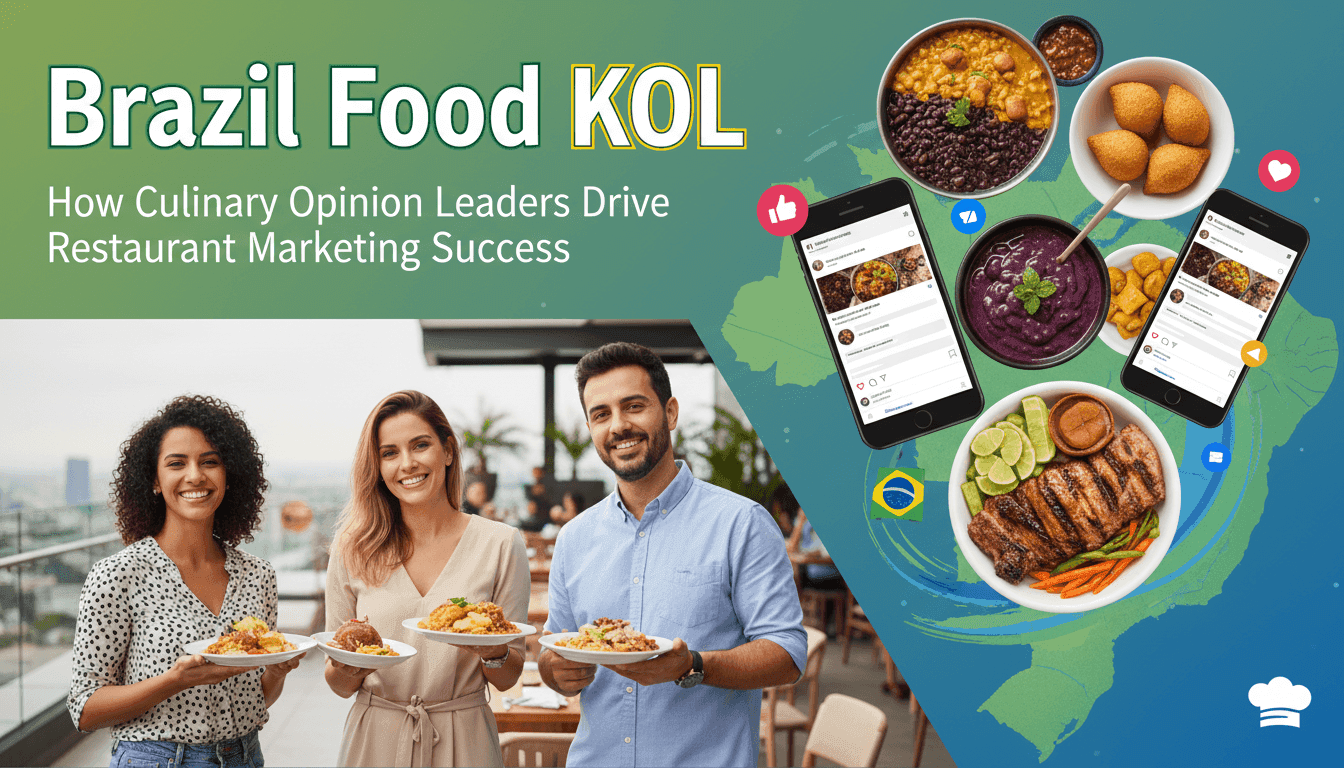
Table Of Contents
- Understanding Brazil's Food KOL Landscape
- Why Food KOLs Matter for Restaurant Marketing in Brazil
- Types of Culinary Opinion Leaders in Brazil
- Platform-Specific Strategies for Brazil Food Content
- How to Identify Authentic Food KOLs in Brazil
- Building Successful Restaurant Partnerships with Food Influencers
- Measuring ROI from Food KOL Campaigns
- The Future of Food Influencer Marketing in Brazil
Brazil's culinary scene is experiencing a digital revolution. From the street food vendors of São Paulo to the upscale churrascarias of Porto Alegre, restaurants are discovering that traditional advertising no longer captures the attention of Brazilian diners. Instead, a new generation of culinary opinion leaders (KOLs) has emerged as the primary influence on where Brazilians choose to eat, what they order, and which food trends they embrace.
With over 150 million active social media users and a culture that celebrates food as a central element of social identity, Brazil represents one of the most dynamic markets for food influencer marketing in Latin America. Brazilian consumers don't just follow food content creators; they trust their recommendations, replicate their recipes, and make dining decisions based on their endorsements.
This comprehensive guide explores how restaurants, food brands, and hospitality marketers can identify authentic Brazil food KOLs, understand platform-specific content strategies, and build partnerships that drive measurable business results. Whether you're launching a new restaurant concept in Rio de Janeiro or expanding a food delivery service across multiple Brazilian cities, understanding the culinary opinion leader landscape is essential for success.
Brazil Food KOL Marketing
How Culinary Opinion Leaders Drive Restaurant Success
Why Food KOLs Matter
Types of Culinary Opinion Leaders
Platform Strategy Guide
Keys to Authentic KOL Identification
Ready to Find Your Ideal Food KOLs?
Use AI-powered discovery to identify authentic culinary opinion leaders who align with your restaurant's values and drive real results.
Start Finding KOLs Today →Understanding Brazil's Food KOL Landscape
Brazil's food influencer ecosystem reflects the country's remarkable culinary diversity and regional pride. Unlike markets where a handful of mega-influencers dominate conversations, Brazil's food KOL landscape is characterized by strong micro and mid-tier creators who maintain deep connections with local communities.
Brazilian food culture varies dramatically from region to region. The seafood-focused cuisine of Bahia differs entirely from the gaucho barbecue traditions of Rio Grande do Sul, while Amazonian ingredients define northern cuisine. This regional diversity creates opportunities for hyperlocal food KOLs who serve as authentic voices for their communities. A food blogger in Recife who specializes in northeastern cuisine may have just 25,000 followers but commands significant influence over dining decisions in their region.
The Brazilian food content landscape also reflects broader cultural values around hospitality, family, and celebration. Content that positions food as a social experience rather than mere consumption tends to resonate more strongly. Brazilian audiences engage enthusiastically with content that shows the story behind dishes, the personality of chefs, and the communal aspects of dining. This cultural context shapes how successful food KOLs create content and how restaurants should approach partnerships.
Social media adoption rates in Brazil remain exceptionally high, with Brazilians spending an average of 3 hours and 41 minutes daily on social platforms. Food content consistently ranks among the most-engaged categories, creating a fertile environment for culinary influencers to build audiences and for restaurants to reach potential customers through authentic partnerships.
Why Food KOLs Matter for Restaurant Marketing in Brazil
The traditional restaurant marketing playbook has fundamentally changed in Brazil. Print advertisements, radio spots, and even digital banner ads struggle to generate the trust and engagement that a single post from a credible food KOL can achieve. Several factors explain why culinary opinion leaders have become central to successful restaurant marketing strategies.
Trust and authenticity form the foundation of food KOL influence. Brazilian consumers have become sophisticated media consumers who can distinguish between genuine recommendations and paid promotions. Food KOLs who maintain editorial independence and selective partnerships enjoy significantly higher trust levels than traditional advertising channels. When a respected food blogger praises a restaurant's feijoada or a chef's innovative take on moqueca, their audience perceives it as a personal recommendation from a knowledgeable friend.
Discovery and decision-making increasingly happen on social platforms. Rather than searching Google for "best restaurants in São Paulo," Brazilian diners scroll through Instagram and TikTok to discover new dining options. Food KOLs serve as curators and guides in this discovery process, introducing their audiences to establishments they might never encounter through traditional search. This shift in discovery behavior means restaurants without a strong presence in food influencer content become effectively invisible to significant segments of potential customers.
Visual storytelling capabilities allow food KOLs to showcase restaurants in ways that traditional marketing cannot match. A skilled food photographer can make a dish look irresistible, while video content can capture the ambiance, energy, and personality of a dining space. Brazilian food content creators have developed sophisticated visual storytelling techniques that go beyond simple food photography to create immersive content experiences.
Cost-effectiveness makes food KOL partnerships accessible even for independent restaurants with limited marketing budgets. While macro-influencers may command substantial fees, micro and nano-influencers often work for complimentary meals or modest compensation. This accessibility allows small restaurants to compete for attention alongside major hospitality brands through strategic influencer partnerships.
Types of Culinary Opinion Leaders in Brazil
The Brazil food KOL landscape includes diverse creator types, each offering distinct advantages for restaurant marketing strategies. Understanding these categories helps marketers identify the right partners for specific campaign objectives.
Food bloggers and critics represent the traditional tier of culinary opinion leaders. These creators typically maintain blogs or websites alongside strong social media presences, offering in-depth restaurant reviews, chef interviews, and culinary trend analysis. Their audiences value detailed critiques and comprehensive coverage. While their follower counts may be moderate compared to entertainment influencers, their audience engagement rates and influence on dining decisions tend to be exceptionally high. Many established food bloggers in cities like São Paulo and Rio de Janeiro have become gatekeepers whose reviews can significantly impact a restaurant's reputation.
Recipe creators and home cooks have emerged as major influencers in Brazil's food content landscape. These KOLs focus on teaching their audiences how to prepare dishes at home, often highlighting specific ingredients, kitchen tools, or techniques. While they may seem less directly relevant to restaurant marketing, these creators excel at building ingredient brands, promoting cooking products, and creating awareness around specific cuisines or dishes that restaurants can leverage. A recipe video featuring a particular regional dish can spark interest that drives restaurant visits.
Visual content specialists prioritize aesthetic presentation over narrative content. These Instagram-focused creators excel at capturing stunning food photography that makes dishes look irresistible. Their content functions almost like visual advertising, creating desire through beautiful imagery. Restaurants with photogenic dishes and attractive interiors benefit enormously from partnerships with visual content specialists who can showcase their offerings in the most appealing light.
Video content creators and vloggers have gained prominence as TikTok and YouTube Shorts reshape content consumption patterns in Brazil. These KOLs create dynamic, entertaining food content that often goes viral. Their strength lies in personality-driven content that entertains while informing. Video content creators excel at capturing dining experiences, kitchen tours, challenge videos, and behind-the-scenes content that brings restaurants to life for audiences.
Niche and specialty food influencers focus on specific cuisines, dietary approaches, or food philosophies. Brazil has vibrant communities of vegan food influencers, Japanese cuisine specialists, natural wine advocates, street food explorers, and many other niche categories. These specialized KOLs offer highly targeted audience access, making them valuable partners for restaurants with specific positioning or target demographics.
Platform-Specific Strategies for Brazil Food Content
Successful food KOL marketing in Brazil requires understanding how different social platforms function within the country's digital ecosystem. Each platform attracts distinct audience demographics and supports different content formats, requiring tailored approaches.
Instagram remains the dominant platform for food content in Brazil, serving as both a discovery engine and a visual portfolio. Brazilian food KOLs use Instagram Stories for real-time restaurant visits and authentic reactions, while feed posts showcase carefully composed food photography. The platform's local search and hashtag functions make it essential for restaurant discoverability. Restaurants benefit from Instagram partnerships through tagged locations, which create discoverable content libraries that potential customers browse when researching dining options. The platform's shopping features also enable food product brands to drive direct conversions from influencer content.
TikTok has exploded in Brazil's food content landscape, particularly among younger audiences. The platform rewards entertaining, fast-paced content that educates or amuses within seconds. Brazilian food TikTokers create content ranging from quick recipe videos to restaurant reviews, food challenges, and comedic content about dining culture. The platform's algorithm can propel restaurant content to millions of views regardless of the creator's follower count, making it valuable for new restaurants seeking rapid awareness. TikTok content tends to feel more authentic and less polished than Instagram, which resonates with audiences seeking genuine recommendations.
YouTube serves Brazilian audiences seeking longer-form food content, including detailed restaurant reviews, chef interviews, cooking tutorials, and food travel series. While YouTube requires more production effort than other platforms, it offers superior longevity. Well-optimized YouTube videos continue generating views and driving restaurant discovery months or years after publication. Brazilian food YouTubers often develop deeply loyal audiences who follow their recommendations consistently, making them valuable long-term partners for restaurants.
X (formerly Twitter) functions differently in Brazil's food ecosystem, serving more as a real-time conversation platform than a primary content distribution channel. Food journalists, critics, and industry insiders use X to share quick opinions, engage in culinary debates, and break news about restaurant openings or closings. While less visual than other platforms, X influences food industry discourse and reaches opinion leaders who shape broader conversations about dining trends.
Platform selection should align with campaign objectives and target audiences. Awareness campaigns benefit from TikTok's viral potential, while premium dining establishments may prioritize Instagram's visual sophistication. An AI Influencer Discovery platform can analyze which platforms drive the strongest engagement for specific restaurant categories and identify KOLs who excel on relevant channels.
How to Identify Authentic Food KOLs in Brazil
Identifying genuinely influential food KOLs requires looking beyond vanity metrics like follower counts. Brazilian food influencer marketing has matured significantly, with sophisticated marketers now evaluating multiple factors to distinguish authentic opinion leaders from accounts with inflated but inactive audiences.
Audience engagement quality matters far more than size. A food KOL with 15,000 highly engaged followers who actively comment, share content, and visit recommended restaurants delivers more value than an account with 150,000 passive followers. Examine comment sections to assess whether followers ask questions, share their own experiences, and engage in genuine conversations. Generic comments like "nice pic" or emoji-only responses often indicate bot activity or disengaged audiences, while detailed questions and personal stories signal authentic community.
Content consistency and quality reveal a KOL's commitment to their craft. Review posting frequency, content quality evolution, and whether the creator maintains consistent standards. Authentic food influencers typically demonstrate clear personal perspectives and aesthetic consistency across their content. Their photography or video style should be recognizable, and their opinions should reflect consistent values rather than praising every establishment equally. Selective enthusiasm signals credibility, while universal positivity suggests promotional relationships dominate authentic coverage.
Local knowledge and expertise distinguish genuine culinary opinion leaders from generic lifestyle influencers who occasionally post food content. Authentic Brazil food KOLs demonstrate deep knowledge of regional cuisines, ingredient sources, culinary techniques, and dining culture. They reference specific dishes by proper names, understand regional variations, and can articulate why certain preparations matter. This expertise shines through in caption writing and comment responses, where knowledgeable creators engage in substantive discussions about food.
Audience demographics and geography must align with restaurant target markets. A food KOL with hundreds of thousands of followers might seem appealing, but if 80% of their audience lives outside your restaurant's service area, the partnership delivers limited value. Modern Influencer Marketing Platforms provide detailed audience analytics revealing follower locations, age ranges, interests, and behaviors. Geographic alignment is particularly crucial for restaurants dependent on foot traffic rather than tourism.
Brand partnership selectivity indicates a KOL's commitment to audience trust. Influencers who promote multiple restaurants weekly or switch between competing establishments within days signal they prioritize revenue over authenticity. The most influential food KOLs carefully select partnerships aligned with their established preferences and audience expectations. They may promote fewer restaurants but generate stronger results because their audiences trust their selectivity.
Traditional influencer discovery methods involve manual searches, spreadsheet tracking, and guesswork about audience quality. Modern approaches leverage AI-powered platforms that can process natural language briefs describing ideal partner characteristics and automatically scan multiple platforms to surface matching creators. StarScout AI transforms this discovery process by understanding campaign requirements in plain English and identifying KOLs based on content quality, audience engagement, and authentic brand alignment rather than superficial metrics.
Building Successful Restaurant Partnerships with Food Influencers
Identifying the right food KOLs represents just the beginning of successful influencer marketing. The partnership structure, creative approach, and relationship management significantly impact campaign outcomes. Brazilian food influencers respond best to partnerships that respect their creative autonomy while clearly communicating restaurant value propositions.
Authentic experiences over scripted promotions generate the strongest audience response. Rather than providing detailed scripts about what to say and how to frame content, successful restaurants invite food KOLs to experience their establishment genuinely. The most effective approach involves hosting the influencer for a normal dining experience, allowing them to order items that interest them, and trusting their judgment about what to highlight. This authenticity translates into more natural content that audiences recognize as genuine rather than promotional.
Creative freedom with clear objectives balances brand interests with creator expertise. Instead of dictating specific shots, captions, or talking points, successful briefs communicate desired outcomes (awareness, specific dish promotion, event attendance) while allowing creators to determine how to achieve those objectives using their unique voice and style. Food KOLs understand their audiences better than brands do, so empowering them to create content suited to their community typically yields better results than rigid creative requirements.
Relationship building beyond transactional exchanges creates opportunities for ongoing advocacy. Rather than treating food influencers as one-off promotional channels, forward-thinking restaurants cultivate long-term relationships through regular communication, exclusive previews of new menu items, invitations to special events, and genuine appreciation for their work. Brazilian culture values personal relationships highly, and food KOLs often become authentic advocates for restaurants that treat them as valued partners rather than marketing tools.
Clear compensation and deliverable agreements prevent misunderstandings and establish professional standards. Whether partnerships involve monetary compensation, complimentary meals, or hybrid arrangements, successful collaborations document expectations clearly. Specify the number of posts, platform requirements, timeline, usage rights, and exclusivity terms in writing. Professional food KOLs appreciate clarity and respond more positively to brands that approach partnerships with organized processes.
Strategic timing and coordination maximize campaign impact. Consider coordinating multiple food KOL partnerships around specific events like menu launches, restaurant anniversaries, or seasonal promotions to create momentum. Staggered posting schedules extending over several weeks maintain visibility longer than simultaneous posts from multiple creators. An Influencer Marketing Agency can help coordinate complex multi-creator campaigns that achieve sustained visibility.
Measuring ROI from Food KOL Campaigns
Quantifying return on investment from food influencer partnerships challenges many restaurant marketers, particularly when campaigns focus on awareness rather than direct conversion. However, multiple measurement approaches enable meaningful performance evaluation that goes beyond vanity metrics.
Direct attribution tracking captures measurable actions resulting from influencer content. Unique promotional codes, dedicated landing pages, or specific menu items mentioned exclusively in influencer content enable direct response tracking. While not all influenced customers use tracking mechanisms, these methods establish baseline conversion data. Restaurants can track redemption rates, average order values, and customer acquisition costs associated with specific influencer partnerships.
Reservation and foot traffic analysis identifies campaign impact on business volume. Compare reservation levels and dining room traffic during campaign periods against equivalent timeframes without influencer activity, controlling for seasonality and external factors. Digital reservation systems often include fields asking how customers heard about the restaurant, providing self-reported attribution data. While imperfect, this approach reveals whether influencer campaigns correlate with business increases.
Social media engagement metrics indicate content resonance and audience interest. Track likes, comments, shares, saves, and video views on influencer content featuring your restaurant. High engagement signals that content resonated with audiences, though engagement alone doesn't guarantee business impact. More valuable are sentiment analysis of comments and the quality of questions asked, which indicate genuine interest versus passive consumption.
Owned channel growth measures how influencer partnerships expand your restaurant's direct audience. Monitor follower growth on your restaurant's social accounts during campaign periods, particularly followers gained from profile visits originating from influencer content. Track tagged posts and user-generated content created by customers who discovered your restaurant through influencer posts. This secondary content creates ongoing value beyond the original influencer partnership.
Brand awareness and sentiment tracking assesses campaign impact on market perception. Conduct periodic surveys asking target customers about restaurant awareness, dining preferences, and perception. Track search volume for your restaurant name during and after campaigns. Monitor online reviews and mentions across platforms to identify increases in discovery and trial. These metrics capture broader brand-building impact that may not generate immediate transactions but influences long-term business development.
Comprehensive measurement requires combining multiple data sources to understand campaign performance holistically. An AI Marketing Service can integrate data from social platforms, reservation systems, point-of-sale technology, and customer surveys to create unified performance dashboards that reveal true influencer marketing ROI.
The Future of Food Influencer Marketing in Brazil
Brazil's food KOL landscape continues evolving rapidly as platform capabilities expand, audience sophistication increases, and new content formats emerge. Several trends are reshaping how restaurants approach influencer marketing and how culinary opinion leaders build their influence.
AI-powered creator discovery and campaign management is transforming influencer marketing from an intuition-based practice into a data-driven discipline. Modern platforms analyze millions of social media posts to understand creator content quality, audience authenticity, and historical campaign performance. Natural language processing enables marketers to describe ideal partner characteristics conversationally, with AI systems automatically identifying matching creators across multiple platforms. This technology democratizes influencer marketing, making sophisticated campaigns accessible to restaurants without dedicated marketing teams. Tools like StarScout AI represent this shift toward intelligent, always-on influencer discovery that replaces static databases with dynamic, real-time analysis.
Video-first content strategies are becoming essential as short-form video dominates social media consumption. Brazilian audiences increasingly prefer TikTok-style content over static images, pushing food KOLs to develop video production skills and restaurants to create video-friendly dining experiences. Restaurants with photogenic plating will remain important, but establishments that create interesting stories, theatrical presentations, or entertaining preparation methods will gain advantages in video-centric environments.
Micro and nano-influencer emphasis reflects growing recognition that smaller creators often deliver superior engagement and authenticity than macro-influencers. Brazilian restaurants increasingly work with multiple micro-influencers simultaneously rather than investing budgets in single partnerships with large accounts. This approach distributes risk, reaches diverse audience segments, and often generates higher aggregate engagement than macro-influencer campaigns.
Platform diversification pushes successful food KOLs beyond single-platform dependence. Multi-platform presence protects creators from algorithm changes while reaching audiences with different content consumption preferences. Restaurants benefit from this diversification by gaining exposure across multiple channels through single partnerships. Emerging platforms may disrupt current dominance hierarchies, making adaptability crucial for both creators and marketers.
Authenticity verification technology addresses persistent concerns about fake followers and engagement manipulation. Advanced analytics now detect bot accounts, engagement pods, and purchased followers with increasing accuracy. This technology evolution rewards genuine creators who built authentic communities while exposing those who inflated metrics artificially. Restaurants using sophisticated Influencer Marketing Platforms gain confidence that partnership investments reach real humans rather than fake accounts.
Integration with broader marketing ecosystems positions influencer content as a central component of comprehensive digital strategies rather than isolated campaigns. Forward-thinking restaurants repurpose influencer content across owned channels, incorporate it into paid advertising, and use it to enhance Content Marketing initiatives. This integrated approach maximizes value from influencer partnerships while creating cohesive brand experiences across touchpoints.
The restaurants that thrive in Brazil's competitive food service landscape will be those that view culinary opinion leaders not as occasional promotional tools but as essential partners in ongoing audience engagement strategies. Success requires combining cultural understanding of Brazilian dining preferences, technological sophistication in creator discovery and campaign management, and genuine relationship building with the food KOLs who shape where and how Brazilians choose to eat.
Brazil's vibrant food culture and enthusiastic social media adoption create exceptional opportunities for restaurants willing to embrace influencer marketing strategically. Culinary opinion leaders have become central to how Brazilians discover restaurants, decide where to dine, and share their experiences with others. The days when traditional advertising alone could fill dining rooms have passed, replaced by an era where authentic recommendations from trusted food content creators drive customer decisions.
Successful restaurant marketing in Brazil now requires identifying genuine food KOLs who align with your brand values and target audiences, building authentic partnerships that respect creator expertise, and measuring campaign impact through comprehensive analytics. The complexity of this process—from evaluating audience quality across multiple platforms to negotiating partnerships and tracking ROI—challenges many restaurant marketers, particularly those with limited time and resources.
Technology is transforming this challenge into an opportunity. Modern AI-powered platforms can scan social networks in real time, understand campaign requirements expressed in plain language, and surface creators whose content quality and audience engagement match specific marketing objectives. This technological evolution makes sophisticated influencer marketing accessible to restaurants of all sizes, from independent establishments to major hospitality brands.
The restaurants that invest in understanding Brazil's food KOL landscape, building genuine relationships with culinary opinion leaders, and leveraging intelligent tools to optimize their influencer strategies will gain significant competitive advantages in one of Latin America's most dynamic dining markets.
Ready to Discover Authentic Brazil Food KOLs?
Stop guessing which food influencers can actually drive customers to your restaurant. StarScout AI replaces static influencer databases with an intelligent discovery engine that understands your campaign goals and scans Instagram, TikTok, YouTube, and other platforms in real time to find culinary opinion leaders whose content quality, audience engagement, and brand values align perfectly with your restaurant marketing objectives.
Experience the difference that AI-powered influencer discovery makes. Start finding your ideal Brazil food KOLs today →